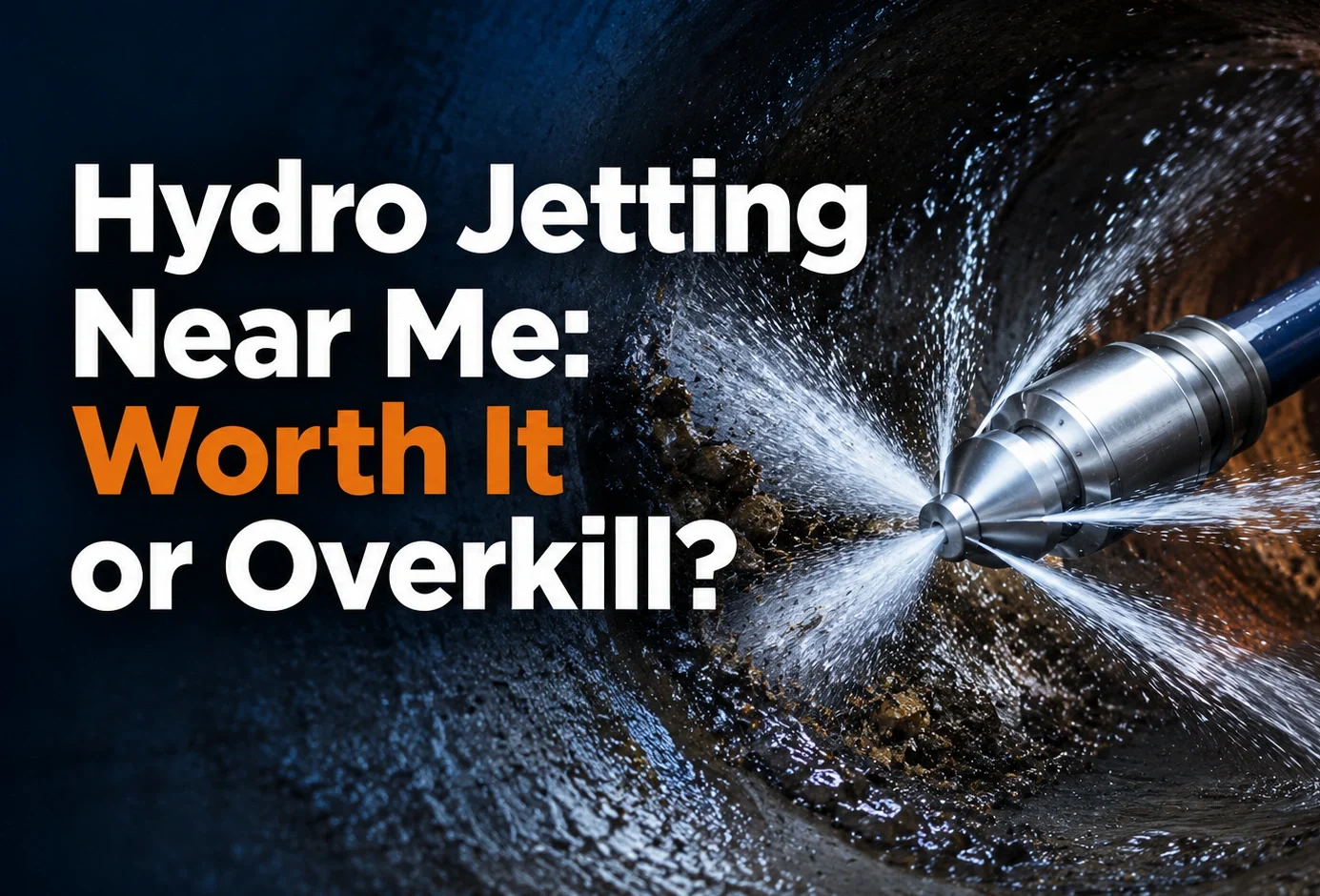
If you searched “hydro jetting near me” because a drain keeps coming back clogged no matter how many times you’ve snaked it, you’re asking the right question at the right time. Hydro jetting blasts the inside of a pipe clean with high-pressure water instead of just punching a hole through a clog — which makes it the right call for grease lines, root intrusion, and main sewer backups, and complete overkill for a single slow bathroom sink. The Drain Authority runs jetting equipment on Seattle-area lines every week, and the honest answer to “do I need this?” almost always comes down to one thing: what’s actually built up inside the pipe, not just what’s blocking it today.
When Is Hydro Jetting Worth It?
Hydro jetting is worth it when a drain or sewer line has recurring clogs, grease buildup, tree root intrusion, or a main line backup — situations where the pipe itself is coated or obstructed, not just blocked once. It’s usually unnecessary for a single, localized fixture clog, like a hair clog at a bathroom sink, that clears with a standard drain snake. A sewer camera inspection is the fastest way to tell which situation you’re actually in.
That’s the short version. The rest of this guide walks through how to tell the difference yourself, what jetting actually does inside a pipe, what it costs to have done, and when a rooter service call is genuinely all you need.
What Is Hydro Jetting?
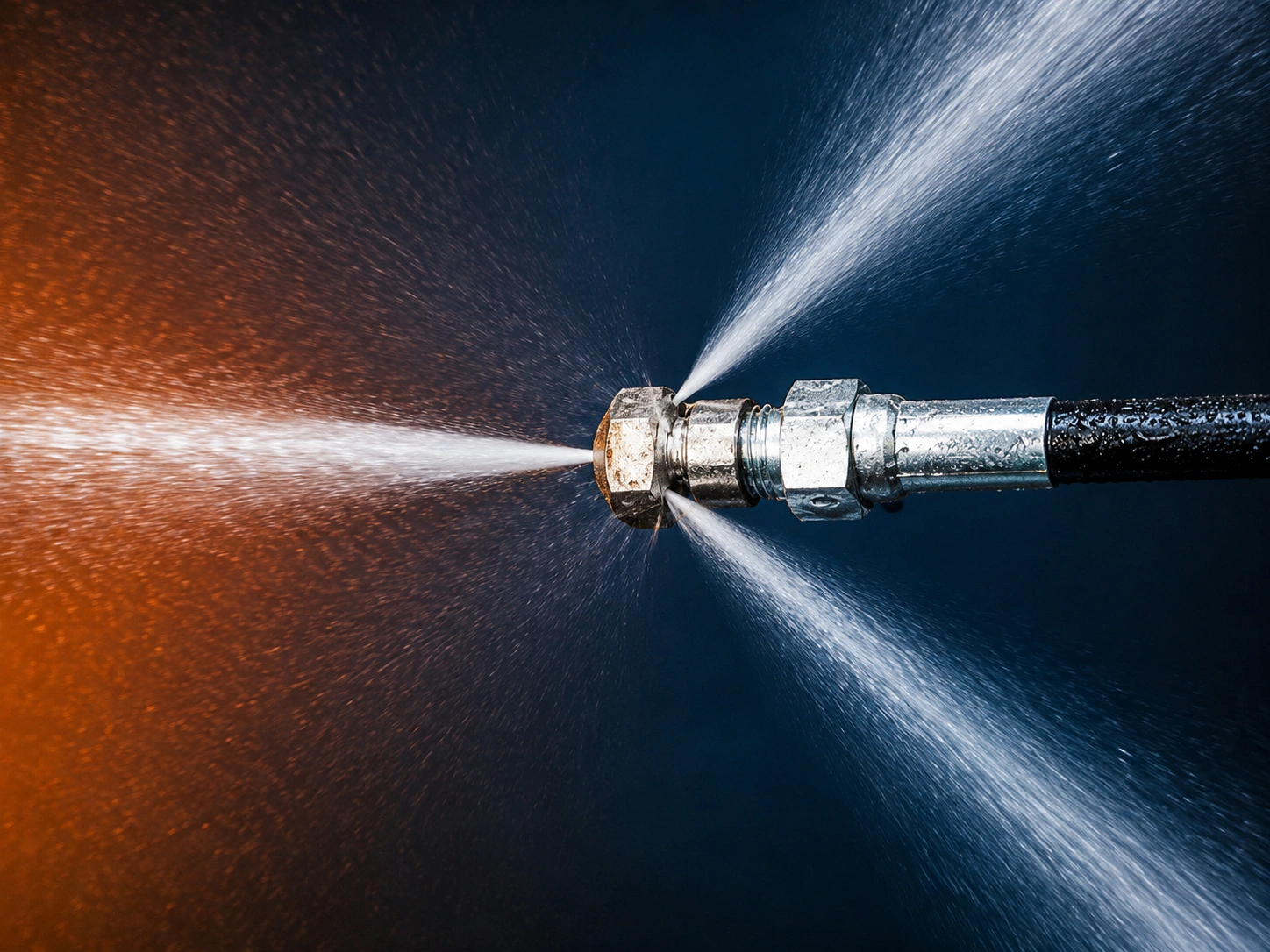
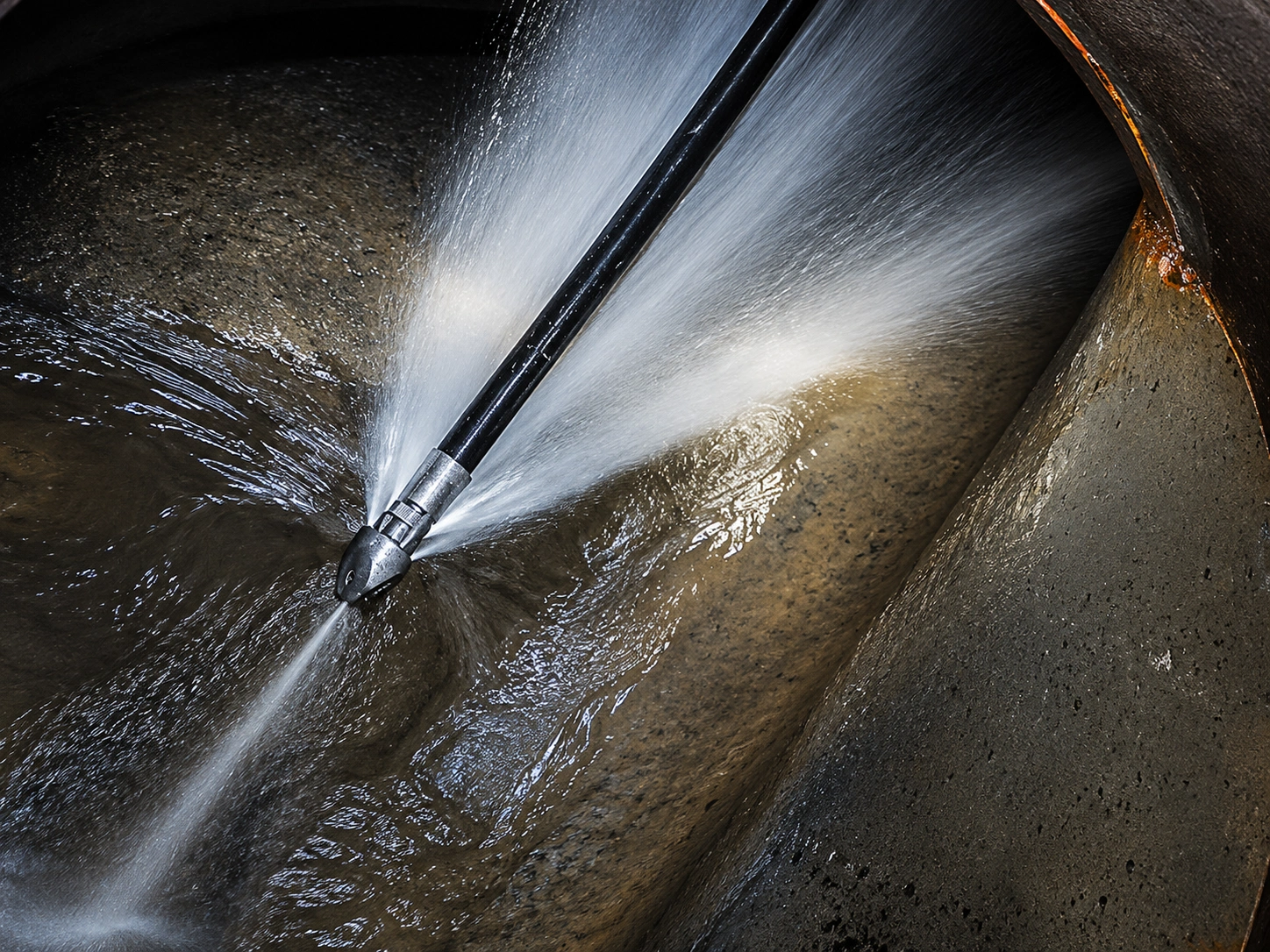
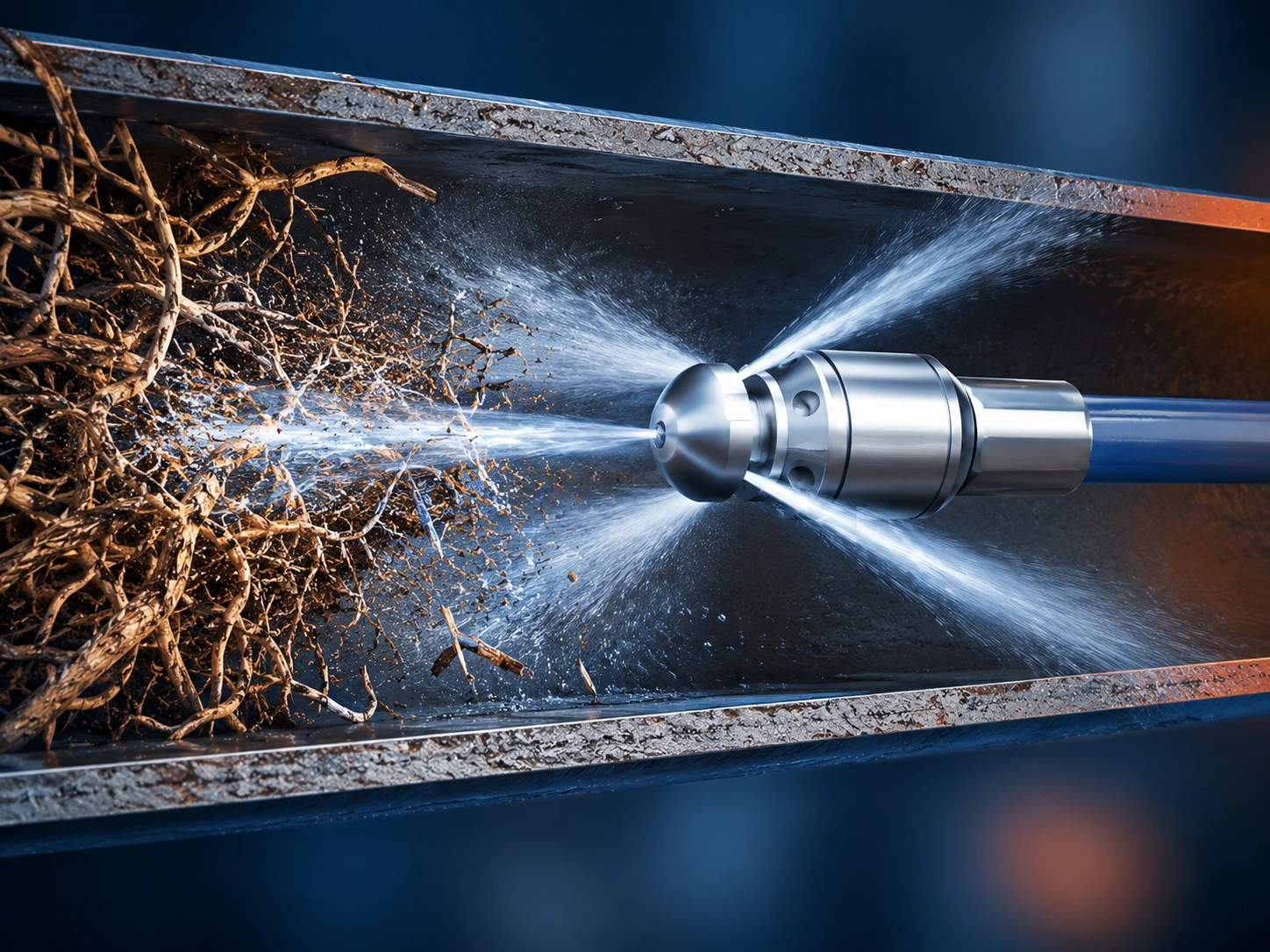
Hydro jetting uses a specialized nozzle and a high-pressure water hose — typically running at several thousand PSI — to scour the full interior wall of a drain or sewer pipe, not just punch a path through whatever is blocking it. The nozzle sprays water forward to cut through the blockage and backward at an angle, which pulls the hose deeper into the line while scrubbing grease, sludge, scale, and root intrusion off the pipe wall as it goes.
That’s the core difference between jetting and almost every other drain clearing method: jetting cleans the whole diameter of the pipe, end to end, instead of carving a channel through the middle of a clog and calling it done.
It’s effective against grease, sludge, mineral scale, and root intrusion specifically because those problems coat the inside of the pipe rather than sitting in one spot. A drain snake can open a path through any of those — jetting removes the material itself.
Hydro Jetting vs. Drain Snaking: What’s the Difference?
Both services clear a blocked line, but they solve different problems. A drain snake (or auger) is a flexible cable with a cutting or grabbing head that breaks through or pulls out whatever’s stuck. Hydro jetting is a pressure-washing process for the inside of the pipe. Here’s how they actually compare on the job:
| Factor | Drain Snaking | Hydro Jetting |
|---|---|---|
| What it does | Breaks through or pulls out a localized blockage | Scours the entire interior pipe wall clean |
| Best for | Single clogs at or near a fixture | Grease, sludge, scale, and root buildup along the line |
| Removes buildup? | Punches a path through it | Strips it off the pipe wall |
| Helps recurring clogs? | Often temporary if buildup remains | Yes — removes the cause, not just the symptom |
| When it’s not enough | Same drain clogs again within weeks | Pipe is cracked, collapsed, or hasn’t been inspected first |
A simple way to think about it: snaking treats the symptom, jetting treats the pipe. If your main drain keeps clogging a few weeks after every snaking visit, that’s the clearest sign the cable is clearing a path through buildup that’s still there — and that buildup is exactly what jetting removes.
Signs Hydro Jetting May Be the Right Service
These are the patterns that show up again and again on real service calls across Seattle drain cleaning jobs — not theoretical symptoms, but the actual combinations that point to buildup rather than a one-time clog.
- Multiple drains backing up at once — a sign the problem is downstream in a shared line, not at one fixture.
- Recurring clogs after snaking — the same drain blocks again within weeks of being cleared.
- Grease buildup in kitchen lines, especially in older homes or any property that’s cooked through a few decades of meals.
- Sewer smell coming from drains, which often points to a partial blockage trapping waste and gas in the line.
- Gurgling toilets when other fixtures drain, a classic sign of air being trapped behind a restriction in the main sewer line.
- Slow drains throughout the home, rather than just one fixture — this points to the main line, not a local clog.
- Main drain backup, where water backs up into a floor drain, tub, or low fixture when you run the washer or flush a toilet.
- Tree root intrusion, common in older Seattle neighborhoods with mature trees near the sewer lateral.
- Commercial kitchen drain problems — repeated grease-line clogs that come back faster than a normal residential schedule would suggest.
If you’re seeing two or more of these together, especially the combination of multiple fixtures plus repeat clogging, that’s a strong signal the issue lives in the main line rather than at one drain.
Not sure which one you’re dealing with? We’ll look at the actual line before recommending anything.
Schedule a DiagnosisWhen Hydro Jetting Might Be Overkill
Not every clogged drain needs a 4,000 PSI line cleaning, and a company that recommends jetting for everything isn’t doing you any favors. Here’s where it’s usually more than the problem actually calls for:
- Recurring clogs after snaking
- Grease buildup in kitchen or restaurant lines
- Confirmed root intrusion in the sewer lateral
- Main line backups affecting multiple fixtures
- Scheduled maintenance for commercial kitchens
- A simple, localized sink or tub clog
- A hair clog right at the fixture drain
- A minor, soft, first-time blockage
- A first clog with no other warning signs
- Any pipe that hasn’t been inspected yet
That last point matters more than people expect: jetting at full pressure into a pipe nobody has actually looked at is a real risk if the line is already damaged. That’s exactly why an inspection step exists before we run the jetter on anything we haven’t seen.
Why a Sewer Camera Inspection Often Comes First
A sewer camera inspection sends a waterproof camera through the line so we can see exactly what’s going on instead of guessing from symptoms alone. That matters because jetting is the wrong move on certain pipe conditions, and the only way to know which condition you’re dealing with is to look.
A camera inspection identifies:
- Pipe condition — whether the line is solid or already compromised.
- Roots, cracks, or separated joints — points where high pressure could make a small problem worse.
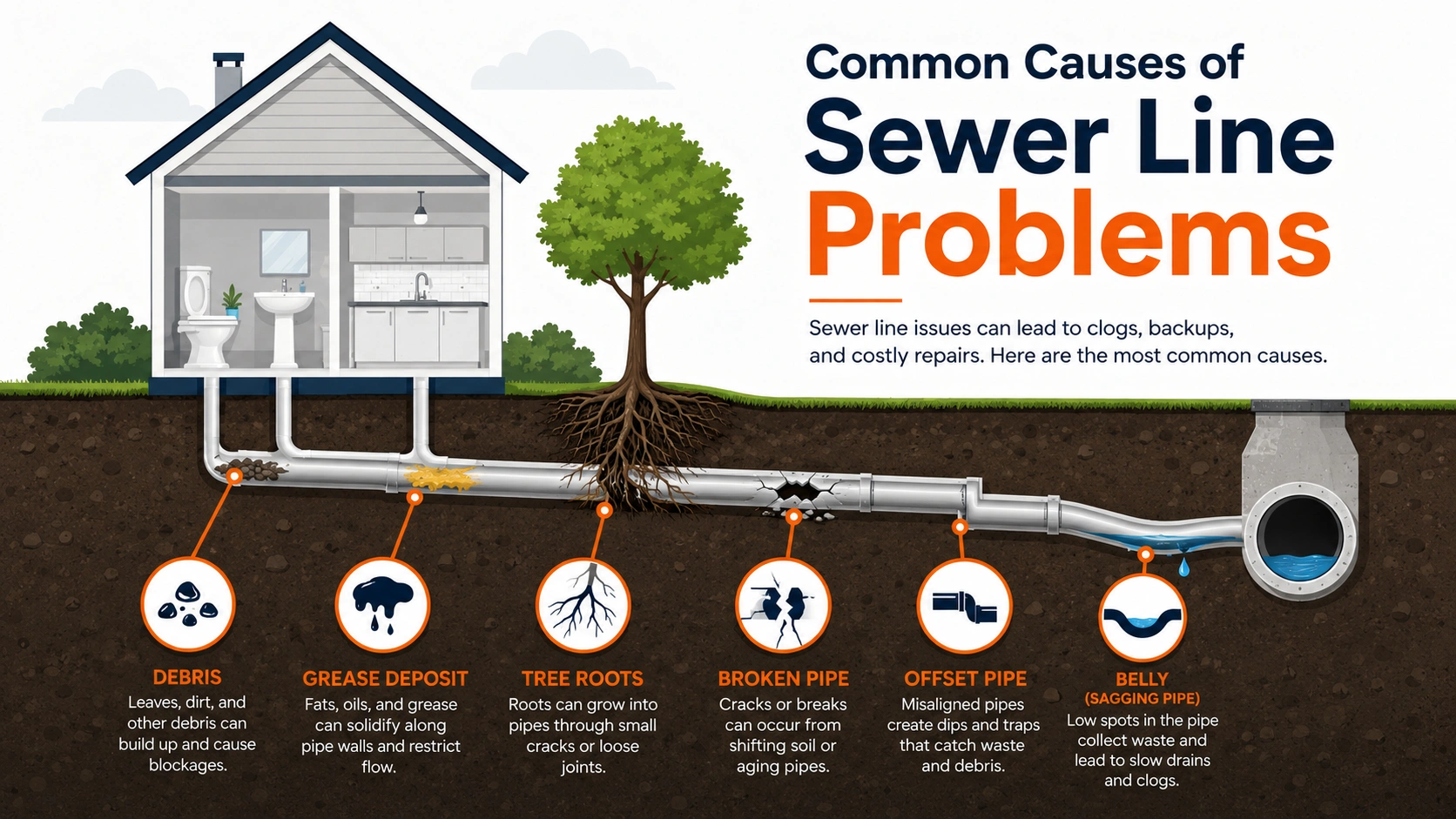
- Bellies or collapsed sections — areas where the pipe has sagged or partially failed, which need repair, not cleaning.
- Heavy scale buildup — confirming jetting (or descaling) is actually the right tool for what’s in there.
Skipping this step means choosing a service based on guesswork. Running a camera first means choosing the right service based on what’s actually inside the pipe — which avoids paying for jetting on a line that needed something else entirely.
Is Hydro Jetting Safe for Older Sewer Lines?
Generally, yes — when the line has been inspected first and the pressure and nozzle are matched to the pipe’s actual condition. Jetting equipment can be dialed to appropriate pressure levels for different pipe materials and ages. The risk isn’t the method itself; it’s running high pressure into a line that’s already cracked, severely corroded, or structurally compromised without knowing it.
This is especially relevant across Seattle’s older housing stock, where cast iron and clay sewer laterals are common and have been in the ground for decades. Older pipe can still be a great candidate for jetting — but it’s the inspection that tells us whether we’re cleaning a sound pipe or looking at a line that needs descaling or repair instead of pressure cleaning.
What Problems Can Hydro Jetting Clear?
Grease and Sludge Buildup
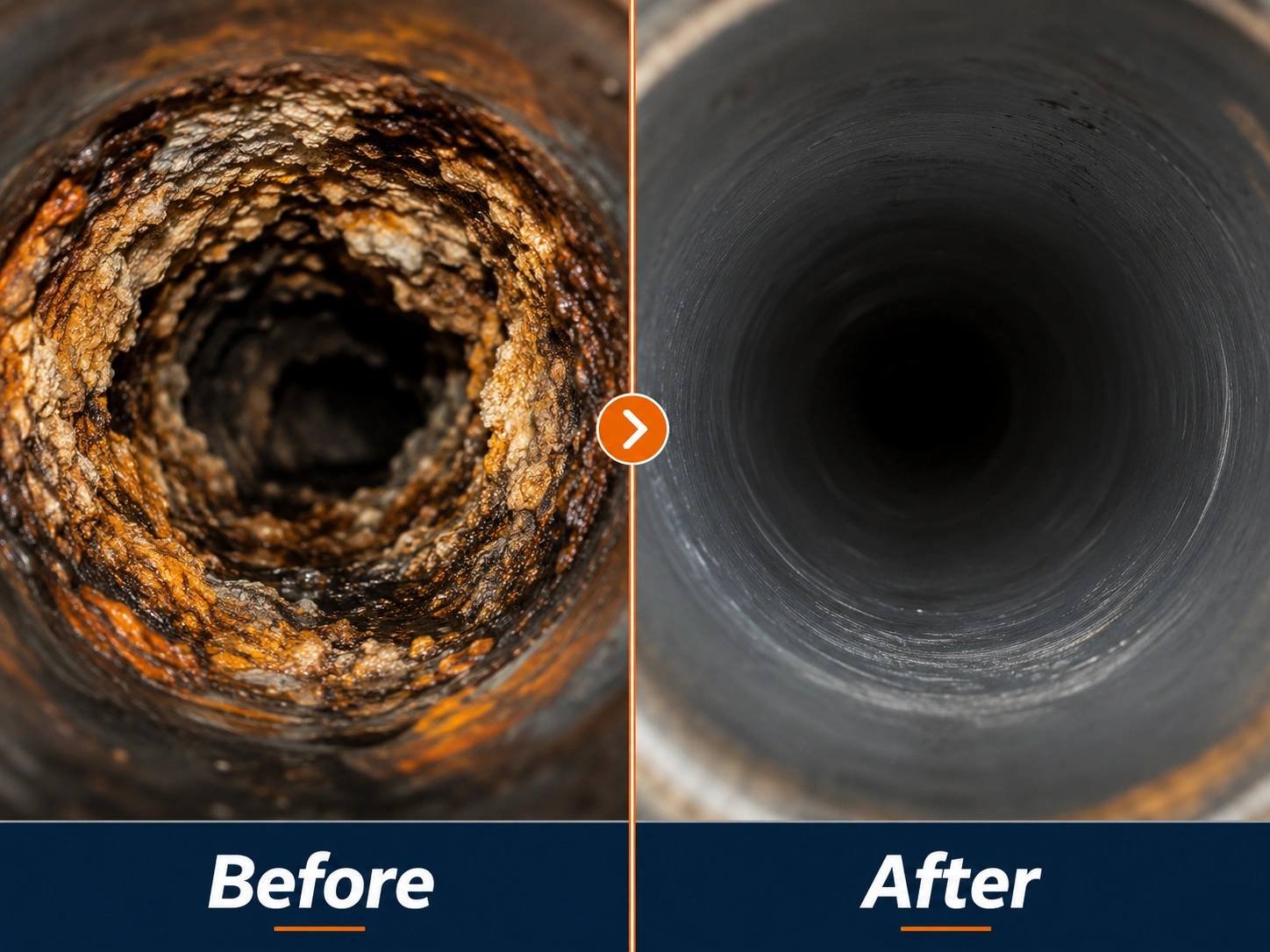
Grease coats the inside of a pipe in layers, narrowing it over time the same way plaque narrows an artery. A snake can punch through the center of that buildup, but the coating stays behind and the channel narrows again. Jetting’s scouring action strips the grease off the pipe wall instead of just opening a path through it, which is why it’s the standard fix for kitchen lines with a grease problem.
Tree Roots in Sewer Lines
Jetting can cut and clear root intrusion that’s grown into a line through small cracks or joints. It’s effective at shearing roots back to the pipe wall, but it doesn’t fix the crack the roots got in through — so roots can return if the underlying pipe damage isn’t repaired. This is another case where a camera inspection tells you whether jetting alone solves the problem or whether the line needs a repair as well.
Recurring Main Drain Clogs
When a main drain clogs repeatedly, it’s almost always because something — grease, scale, roots, or settled debris — keeps narrowing the pipe between visits. A basic snake clears the immediate blockage but leaves that material in place. Jetting addresses the buildup directly, which is why it tends to break the cycle where repeated snaking hasn’t.
Commercial Drain Buildup
Restaurants, apartment buildings, and commercial kitchens generate far more grease and waste volume than a typical home, which means lines foul faster and on a predictable schedule. Commercial drain cleaning with scheduled jetting keeps grease lines and floor drains from reaching the point of a full backup, which is usually cheaper than an emergency call mid-shift.
Scale and Older Pipe Buildup
Older cast iron pipe can develop heavy mineral scale on the interior wall, which narrows the pipe diameter over years. Jetting can clear lighter scale, but heavily scaled cast iron sometimes needs a dedicated pipe descaling process designed specifically for that buildup. An inspection is what tells us which one your line actually needs.
How Much Does Hydro Jetting Cost in Seattle?
There’s no single number that applies to every job, because hydro jetting cost depends on what’s actually involved in the line — not a flat rate by the foot. The real cost drivers are:
- Length of the line — a short branch line costs less to clean than a full main sewer run.
- Severity of the blockage — light grease film clears faster than heavy root intrusion or compacted scale.
- Whether a camera inspection is needed first — recommended for any line that hasn’t been inspected recently, especially older pipe.
- Residential vs. commercial line — commercial grease lines often need a different jetting schedule and nozzle setup than a single-family home.
- Access and cleanout availability — an accessible cleanout speeds up the job; a line with no easy access point takes longer.
- Emergency vs. scheduled timing — after-hours or emergency drain cleaning typically costs more than a scheduled appointment.
- Whether roots, grease, or scale are involved — each requires a different amount of time and sometimes different equipment.
Be cautious of any flat “$99 drain cleaning” offer advertised before anyone has actually looked at your line — legitimate sewer drain cleaning service pricing is based on what’s in the pipe, not a teaser rate. The most reliable way to get an accurate number is a real look at the line, which is exactly what a quote from The Drain Authority is based on.
Hydro Jetting for Homes vs. Businesses
Residential jetting is typically a response to a specific problem — a recurring clog, root intrusion, or main line backup that’s already causing trouble. It’s usually a one-time or occasional service tied to a symptom you can point to.
Commercial drain cleaning works differently. Restaurants, apartment complexes, and property managers dealing with shared grease lines often benefit from jetting on a recurring schedule, before a clog ever happens, because grease buildup in a high-volume kitchen line is predictable and preventable. A restaurant that jets its grease line quarterly is paying to avoid an emergency mid-dinner-service; a homeowner with one clogged kitchen sink is usually solving a problem that’s already happened.
Is a Backed-Up Drain an Emergency?
Sometimes. The signs below point to a situation that needs attention now, not after you’ve tried a store-bought drain cleaner a few more times:
- Sewage backing up into a tub, shower, or floor drain
- Multiple fixtures affected at the same time
- A toilet that bubbles, gurgles, or overflows when other water runs
- Backup at a basement or floor drain
- A strong, persistent sewer odor inside the home
- Standing water with real water damage risk to flooring or walls
If you’re seeing any of these, stop running water into the affected drains and call for emergency clogged drain service rather than continuing to use a chemical drain cleaner, which can mask the problem temporarily while making it harder — and sometimes more hazardous — to clear properly afterward.
Why Seattle-Area Homes Often Need More Than a Basic Drain Snake
A handful of conditions show up again and again across Seattle, Bellevue, Kirkland, Shoreline, Renton, and the surrounding area that make line buildup more common than in newer construction elsewhere:
- Older housing stock, with cast iron and clay sewer laterals that have been in the ground for decades.
- Mature trees on many residential lots, with root systems that naturally seek out the moisture inside sewer lines.
- Root intrusion through aging pipe joints, which tends to worsen gradually rather than appear all at once.
- Heavy seasonal rain and saturated ground, which can affect older sewer laterals already under stress from root growth or settling soil.
- Grease and everyday buildup, which accumulates the same way it would anywhere, but interacts differently with an older, narrower, or partially obstructed line.
None of this means every home in the area needs jetting — it means that when a recurring problem does show up, it’s worth taking seriously rather than re-snaking the same line every few months.
How The Drain Authority Helps
We don’t decide what your line needs before we’ve looked at it. A typical call starts with a conversation about the symptoms — which fixtures, how often, any smell or gurgling — followed by an inspection of the actual line when needed. From there, we’ll tell you plainly whether the right move is a standard snake, hydro jetting, main sewer line cleaning, a camera inspection on its own, pipe descaling, or something outside drain cleaning entirely, like a repair.
As a Seattle drain cleaning company that runs this equipment daily, the goal on every call is the same: match the service to what’s actually happening in the pipe, not sell the most expensive option available. Sometimes that’s a jetter. Often, it’s a fifteen-minute snake job.
Frequently Asked Questions About Hydro Jetting
Is hydro jetting better than snaking?
It depends on the problem. Jetting is better for recurring clogs, grease buildup, and root intrusion because it cleans the whole pipe wall. Snaking is just as effective, and often more cost-efficient, for a single localized clog at a fixture.
How do I know if I need hydro jetting?
Look for patterns rather than a single clog: multiple drains acting up, a clog that returns within weeks of snaking, persistent sewer odor, or gurgling toilets. A sewer camera inspection is the most reliable way to confirm it.
Can hydro jetting damage pipes?
It can, if it’s run at the wrong pressure on a line that’s already cracked, collapsed, or severely deteriorated without being inspected first. With a prior inspection and appropriately matched pressure, jetting is a standard, safe method for both modern and older pipe.
Does hydro jetting remove tree roots?
Yes, jetting cuts and clears root intrusion inside the pipe. It doesn’t repair the crack or joint separation the roots grew through, so roots can return over time unless that underlying damage is also addressed.
How much does hydro jetting cost in Seattle?
Cost depends on the length of the line, severity of buildup, whether a camera inspection is needed, and whether the line is residential or commercial. There’s no reliable flat rate — an accurate quote requires looking at the actual line.
Do I need a sewer camera inspection first?
For any line that hasn’t been inspected recently, yes. It confirms pipe condition and rules out cracks, bellies, or collapsed sections before high-pressure water goes into the line.
Is hydro jetting good for grease clogs?
Yes — it’s one of the most effective methods available for grease, since it strips the buildup off the pipe wall instead of just cutting a path through it.
Can hydro jetting fix a main sewer line clog?
In many cases, yes, particularly when the clog is caused by grease, scale, or root intrusion. If the line has a structural problem like a collapsed section, jetting alone won’t resolve it and repair becomes necessary.
Should I call a plumber or a drain cleaning company?
For drain and sewer line clogs specifically, a dedicated drain cleaning company that runs jetting and camera equipment regularly typically has more specialized tools and experience with this exact problem than a general plumber.
How often should commercial drains be hydro jetted?
It varies by volume, but many restaurants and commercial kitchens benefit from a quarterly schedule for grease lines to prevent buildup from reaching the point of a backup. A drain cleaning provider can recommend a schedule based on your specific volume.