Slow sink, tub or shower drain
Hair, soap scum or kitchen grease in a single fixture line.
Clogged drain service

Phones 8 AM – 8 PM daily · Online booking 24/7
5608 17th Ave NW, Suite 2025, Seattle, WA 98107 · WA #DRAINDA756MA
Drain cleaning, hydro jetting and sewer camera work across Seattle and the Eastside, from an owner-operated crew. One flat price before we start, and camera proof of every main line we clear.
Phones answered 8 AM – 8 PM, seven days · Online booking open 24/7
$200–$600
Drain cleaning, flat price before work starts
HD camera
Before & after footage of every main line
$0 trip fee
Same rate evenings & weekends
Where the water backs up tells you which pipe is blocked and which service clears it. Point at the symptom you’re seeing: the drawing lights the pipe, and the readout shows the usual fix and what it costs in Seattle.
Hair, soap scum or kitchen grease in a single fixture line.
Only the toilet? A rooter cable usually opens it the same visit.
Tub fills when the washer drains, or the floor drain rises. Stop running water and call.
A cable buys a few months; hydro jetting restores the full pipe.
You inherit the whole side sewer to the city main. Scope it before you close.
Grease lines, floor drains and stacks jetted on a schedule, not mid-service.
Not sure which one it is? Describe it on the phone, or answer a few questions in the free drain diagnostic.
Branch line clogOne fixture line
Toilet branch clogToilet to the stack
Main sewer line backupBuilding drain and side sewer
Recurring buildupSide sewer wall
Pre-purchase sewer scopeCleanout to the city main
Commercial line maintenanceKitchen lines and stacks
Most Seattle drain cleaning runs $200–$600; hydro jetting a line runs $500–$700. You approve one flat price before any work begins: no trip fee, no hourly meter, no evening or weekend surcharge.
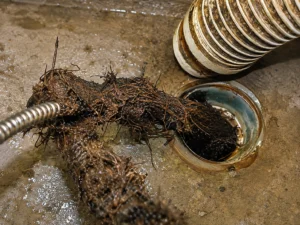
Clears a blocked kitchen, bath, laundry or floor drain through its full length, then flow-tests it before we leave.
One slow or clogged fixture
$200–$600
Flat quote up front
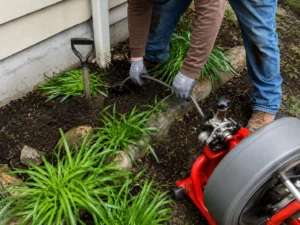
A mechanical cable cuts the blockage open and restores flow the same day you call.
A toilet or drain that has to work today
$200–$600
Same-day, flat rate
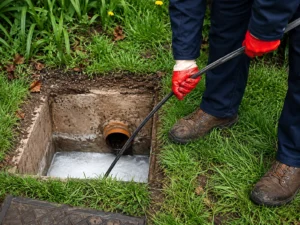
Clears the side sewer that carries every fixture out to the public main, and confirms the result on camera.
Two or more fixtures backing up together
$200–$600
$500–$700 if jetting is needed
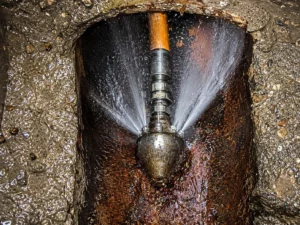
4,000 PSI water scours grease, scale and root hair off the pipe wall. We camera the line first, so old clay and cast iron are never jetted blind.
Recurring clogs, grease and tree roots
$500–$700
Camera before & after
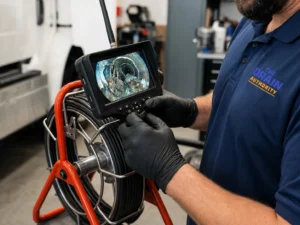
An HD camera runs the side sewer (a sewer scope) to find cracks, bellies, offsets and roots, and marks where each one sits.
Home purchases, or before anyone quotes a dig
$300–$400
Footage is yours to keep
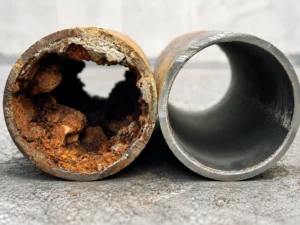
A rotating chain knocker strips scale and rust from inside old cast iron. No excavation, no torn-up yard.
Old cast iron that runs slow with no single clog
From $800
Bid after the camera pass
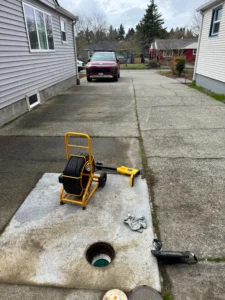
Grease lines, floor drains and stacks for restaurants, apartment buildings and retail, run on a maintenance schedule.
Kitchens and multi-unit buildings
Flat quote
Per line or on a schedule
Why ranges instead of a $99 special? A $99 offer usually covers a cable through an easy ground-level cleanout and little else. Here is how the $99 drain cleaning offer works in Seattle and the full Seattle drain cleaning cost guide.
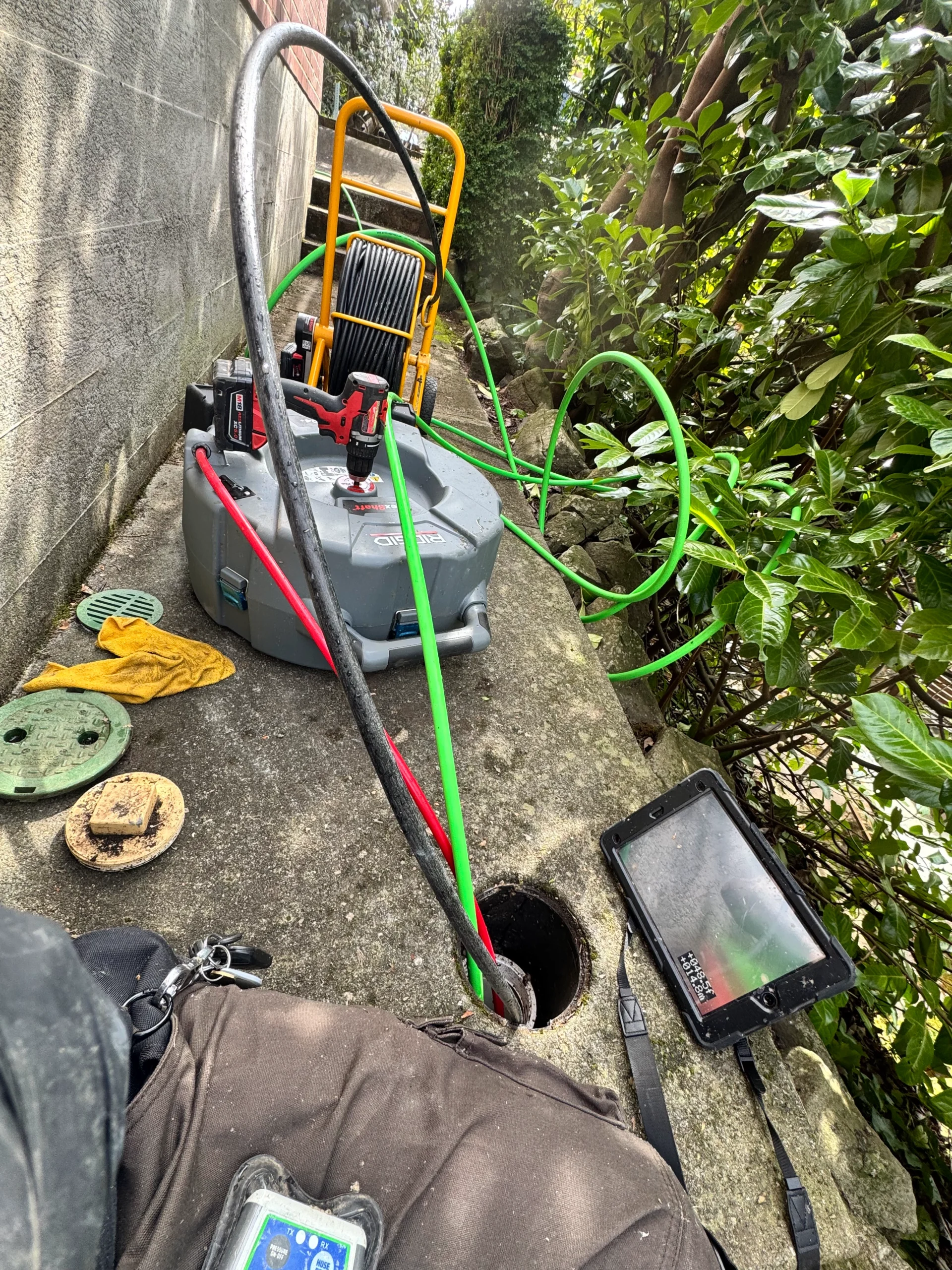
Schedule a service onlineWe run an HD camera through the main line before we jet and again after we clear it. You see what caused the backup, how far out it sits, and that it is gone. The footage is yours to keep.
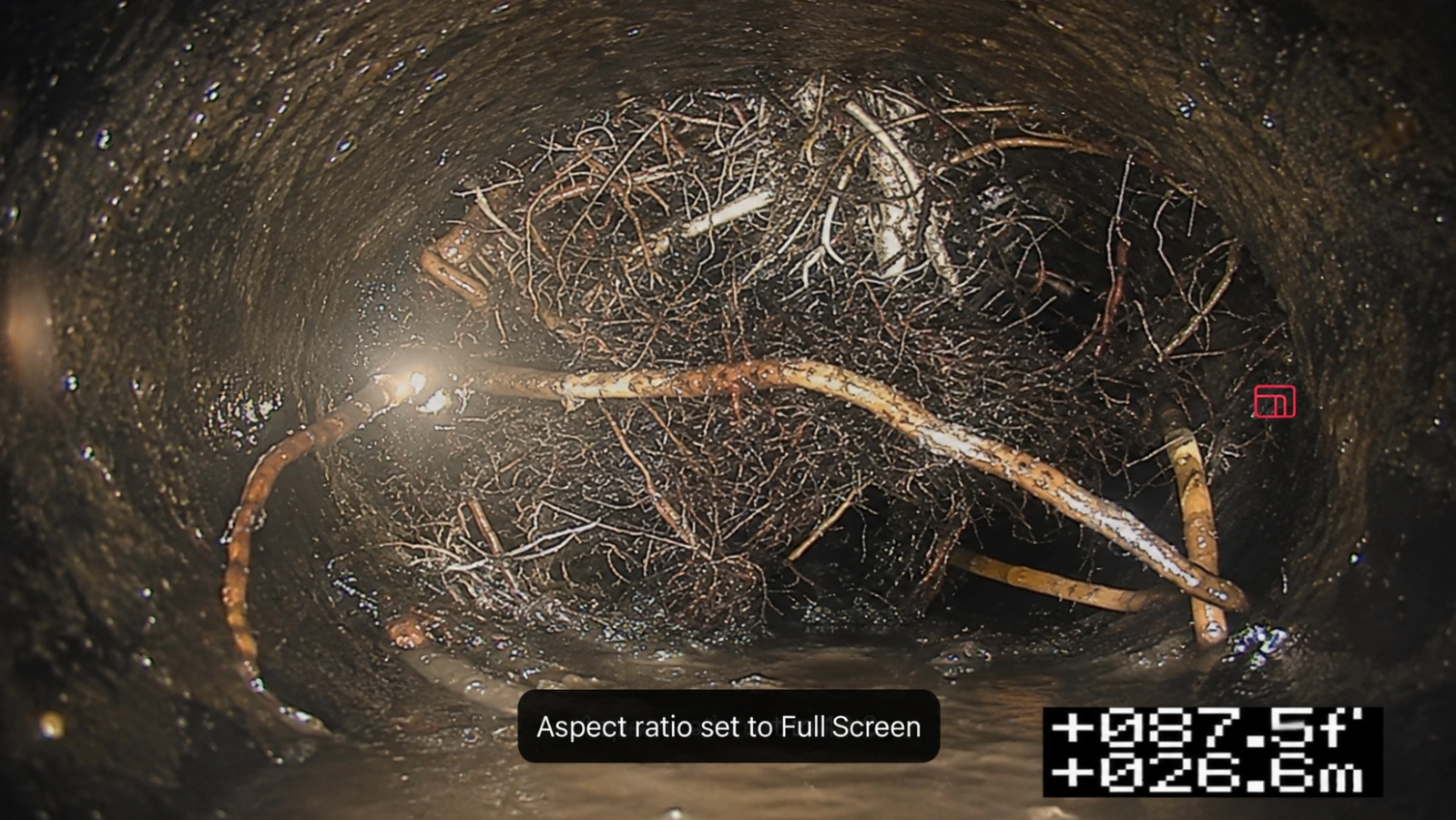
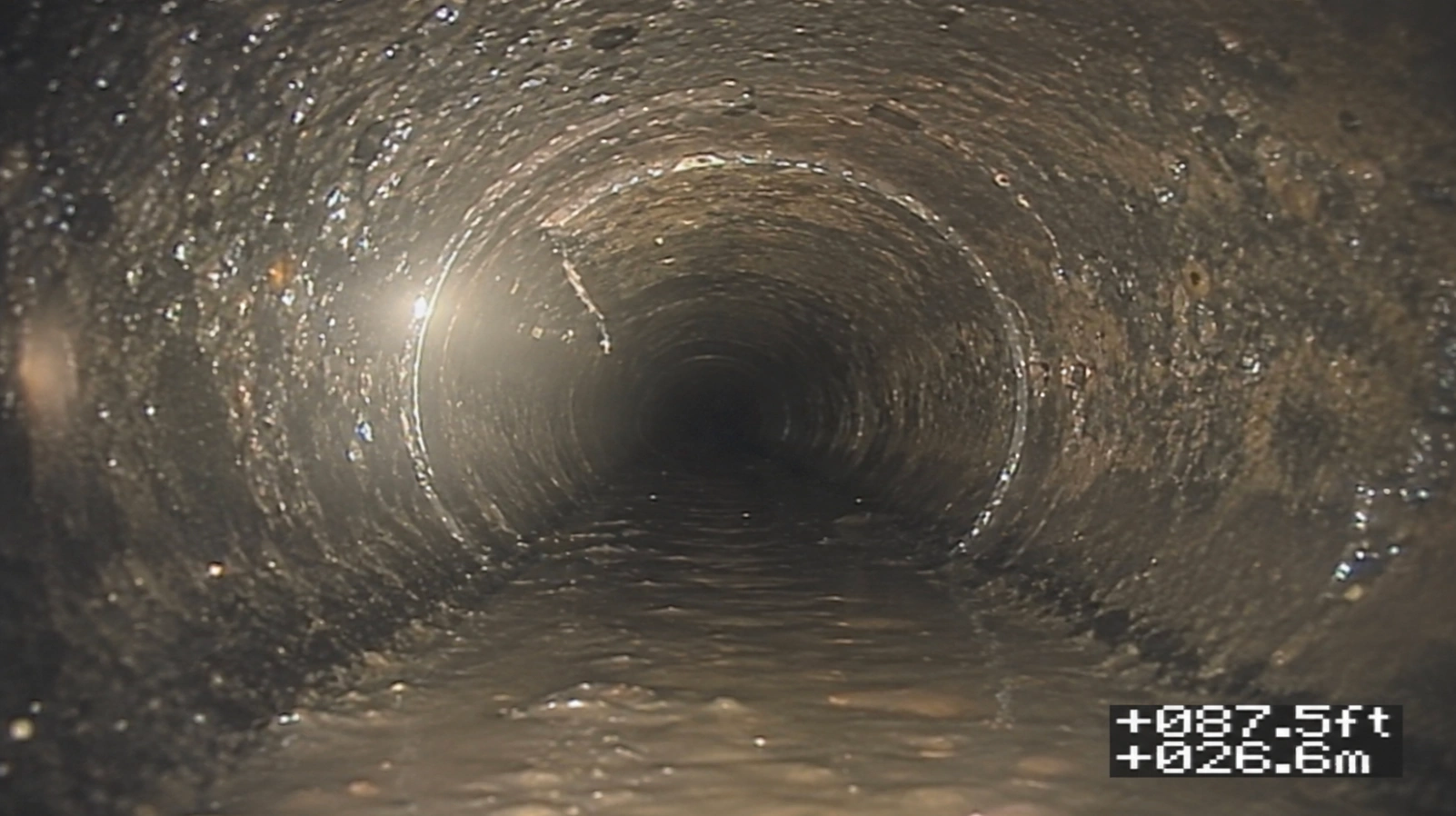
Pressure will not hurt a sound pipe, but it can open a cracked clay joint or rotted cast iron. We look first, then choose the cable, the jetter or descaling.
Footage records the distance to each root intrusion, belly or offset joint, so any repair is scoped to the right spot instead of the whole yard.
Keep it for a home sale, an insurance conversation or a second opinion. A clean line is the proof the job is done.
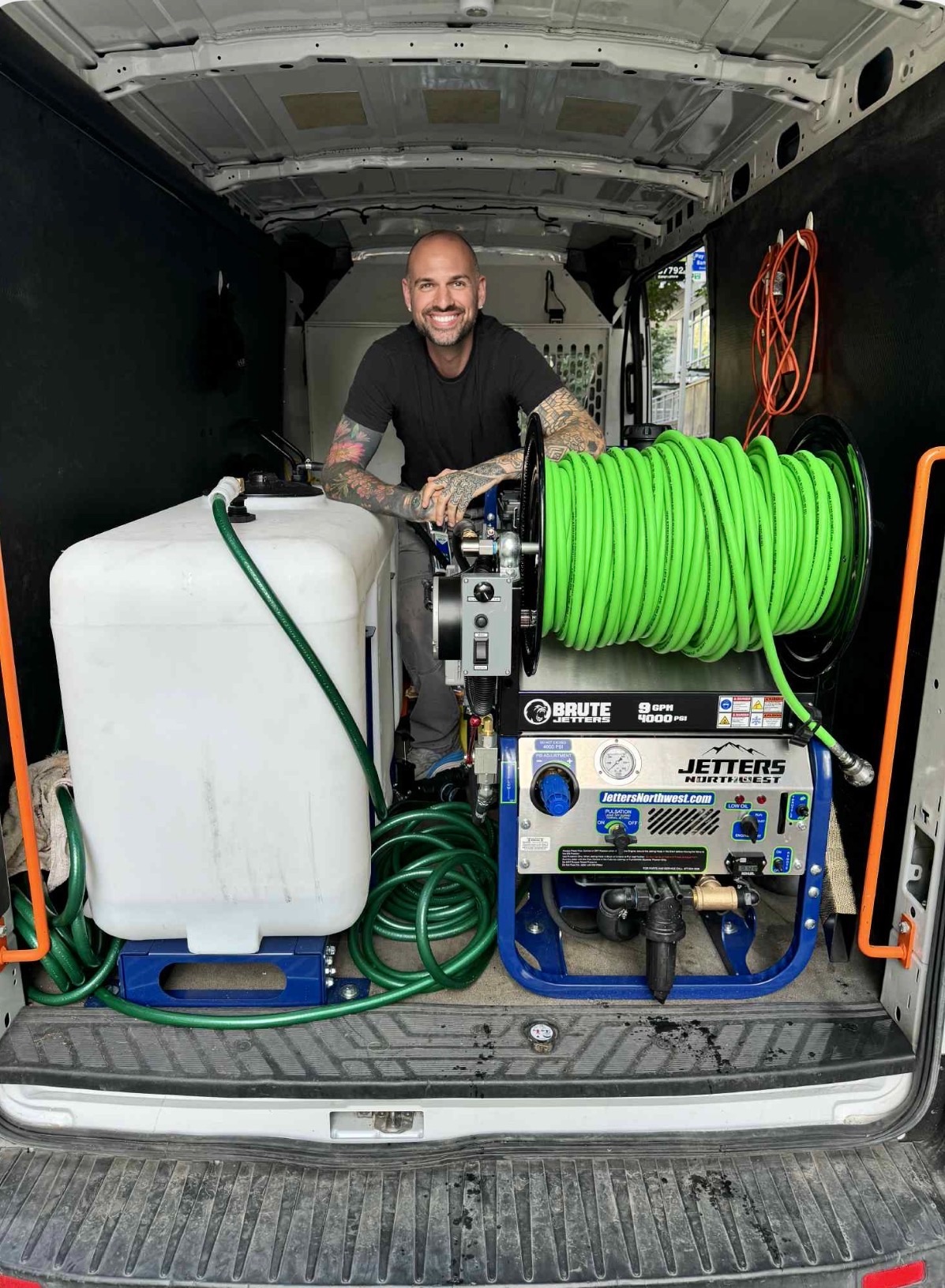
 Shane Caldwell
Owner, The Drain Authority · Ballard
Shane Caldwell
Owner, The Drain Authority · Ballard
When you call The Drain Authority, Shane Caldwell picks up. He runs the company from Ballard, and drains and sewer lines are the only work it does.
That focus means the truck that pulls up already carries the jetter, cables and camera the job needs, so there is no second visit to come back with the right equipment. General plumbers fit drain calls in between water heaters and fixture installs; a dedicated drain cleaner diagnoses and clears the line in one visit. More in why hiring a drain cleaner, not just a plumber, saves Seattle homeowners money.
Most Seattle drain cleaning visits take 45 minutes to 3 hours from arrival to clean-up. A single clogged sink is usually under an hour; a root-blocked main line can take three.
3–5 min
Which fixtures are affected, whether anything gurgles, where your cleanout is. That usually tells us branch line or main before a truck moves.
Same day
A window, not a whole day. Morning calls generally go out the same afternoon; late-day calls get the first slot next morning.
~10 min
Floors are covered before equipment comes inside. You approve one flat price before any work begins.
45 min – 3 hrs
We work from the access point nearest the blockage, not from the fixture: the choice that keeps a two-hour job from becoming four.
~15 min
You get the camera footage, what we found and a note on anything worth watching. The work area goes back the way we found it.
Not an emergency? Book it yourself, any hour: pick the job, choose an open slot and add your address. Booking runs through our Housecall Pro scheduler, the same calendar the truck works from, and you still approve a flat price on site before work starts.
Water rising now? Call (206) 590-1455
Old clay pipe, big street trees and a long wet season shape how drains fail here. Four things about Seattle plumbing change what a backup costs, and who pays to fix it.
Look up your side sewer card
The city’s Side Sewer Card Viewer shows the original permit drawing for your address, often with a cleanout nobody knew was there.
Open the card viewerThe property owner maintains the line from the house to the public sewer, including the stretch under the street. Seattle Public Utilities maintains only the main.
Older neighborhoods run on pipe laid long before garbage disposals, with joints that roots and grease find first.
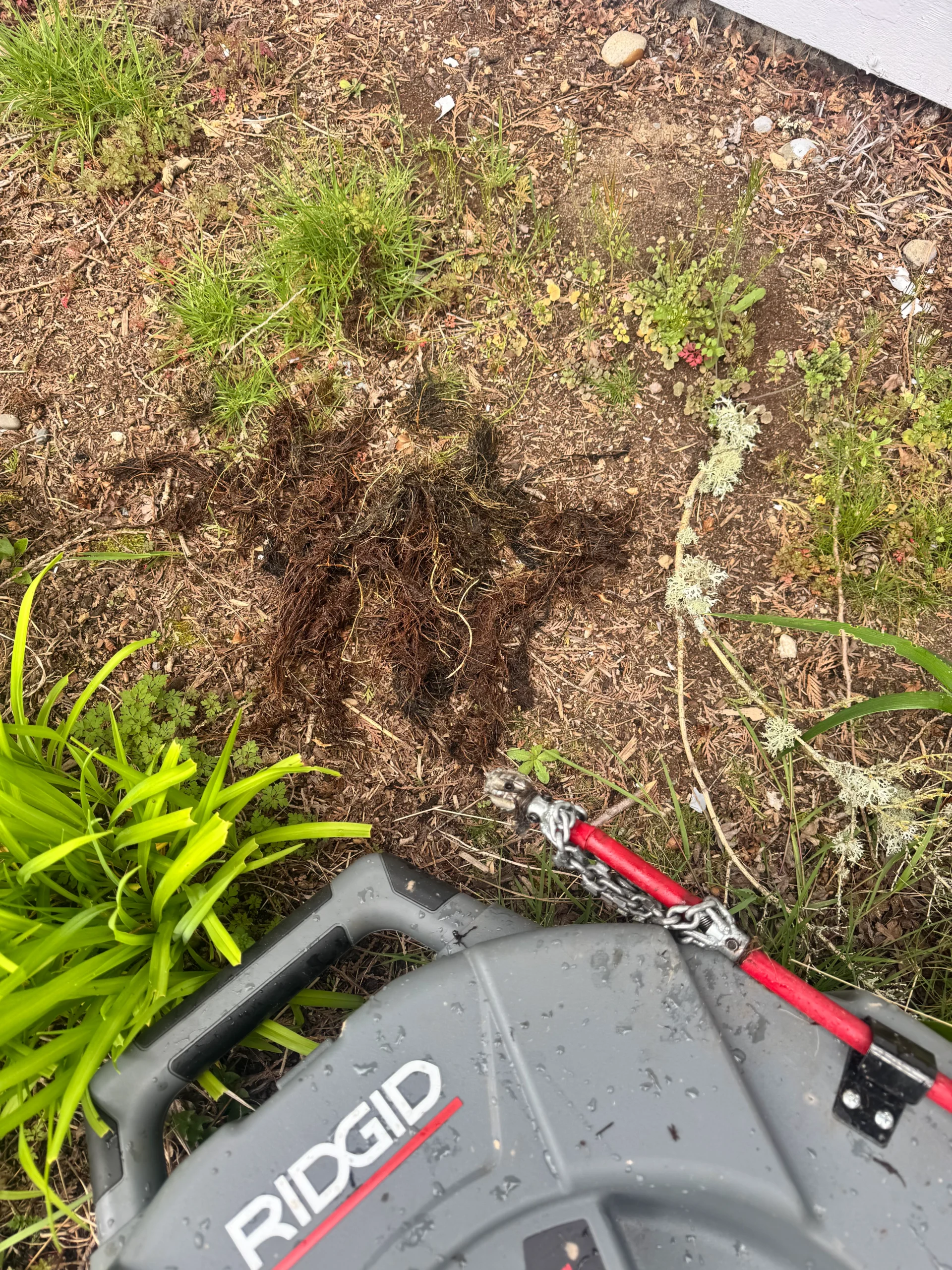
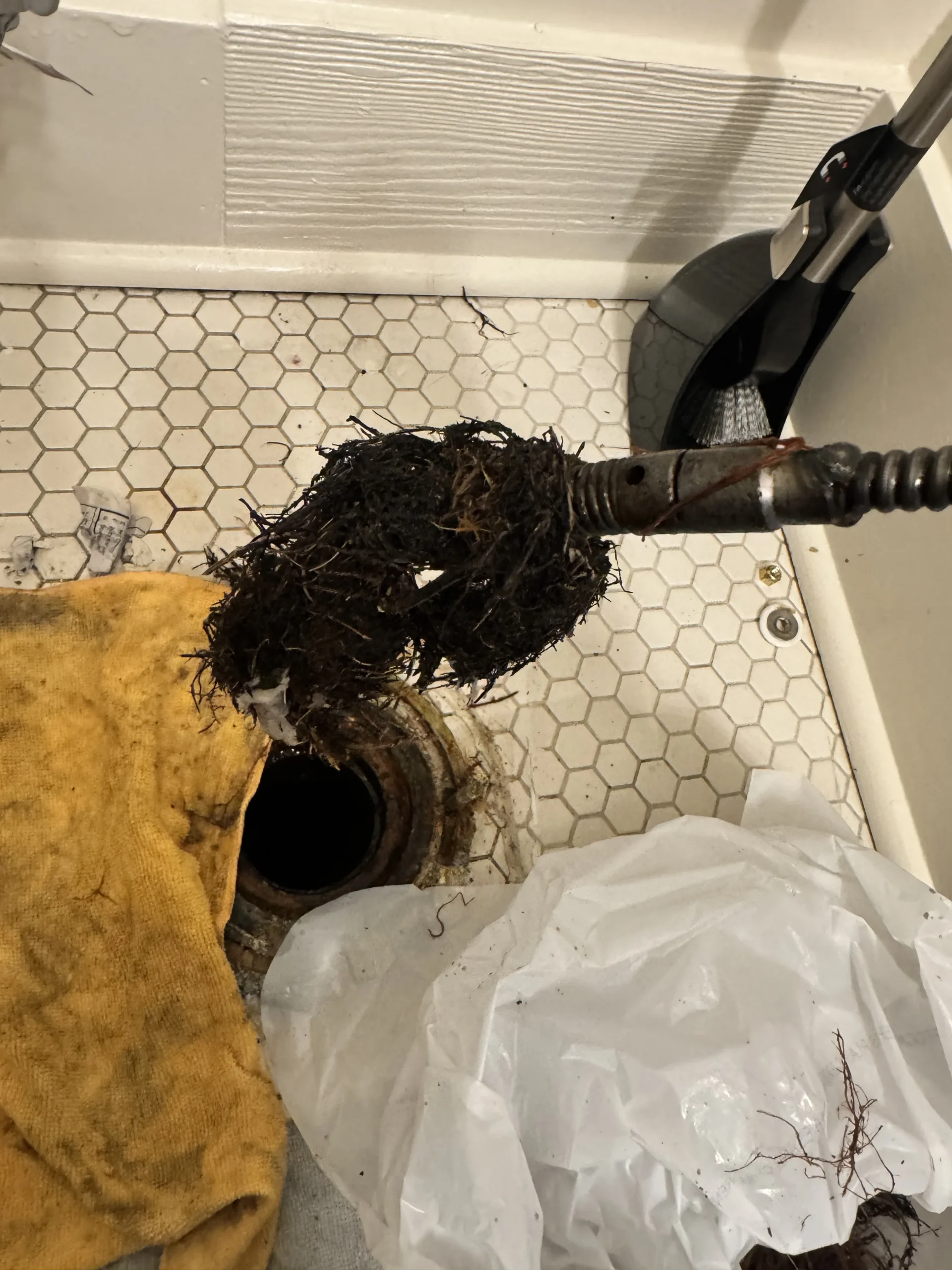
Cut roots regrow in 12 to 24 months, so lines with known roots are worth jetting before the rains. More in tree root drain clogs.
Two or more houses can tie into one line before the main. A shared-run blockage surfaces in whichever basement sits lowest.
Trucks run from Ballard across Seattle, the Eastside, north King County and south Snohomish County.
Eastside
North King County
South Snohomish
5.0
Google rating from 100+ reviews
Straight answers on cost, timing and who is responsible for what. More in the full Seattle drain & sewer FAQ.
Still have a question?
Shane answers the phone himself, 8 AM – 8 PM, seven days a week.
Most drain cleaning in Seattle runs $200–$600, and hydro jetting a line runs $500–$700. Where yours lands depends on access, how far out the blockage sits and what is causing it. You approve one flat price before work starts, with no trip fee and no hourly meter.
A sewer camera inspection, often called a sewer scope, runs $300–$400 in Seattle. The HD camera runs the side sewer out to the city main and records the distance to each root intrusion, belly, offset joint or crack, and the footage is yours to keep for the sale or a second opinion.
For a clog, a sewer backup or a slow main line, call a drain cleaning company. A drain specialist arrives with the hydro jetter, root cutters and sewer camera already on the truck, so the line is diagnosed and cleared in one visit instead of two.
When two or more fixtures back up at the same time, the blockage is in the main sewer line, not a branch. Typical signs are a tub that fills while the washer drains, a basement floor drain that rises when you flush, or toilets that gurgle after a storm.
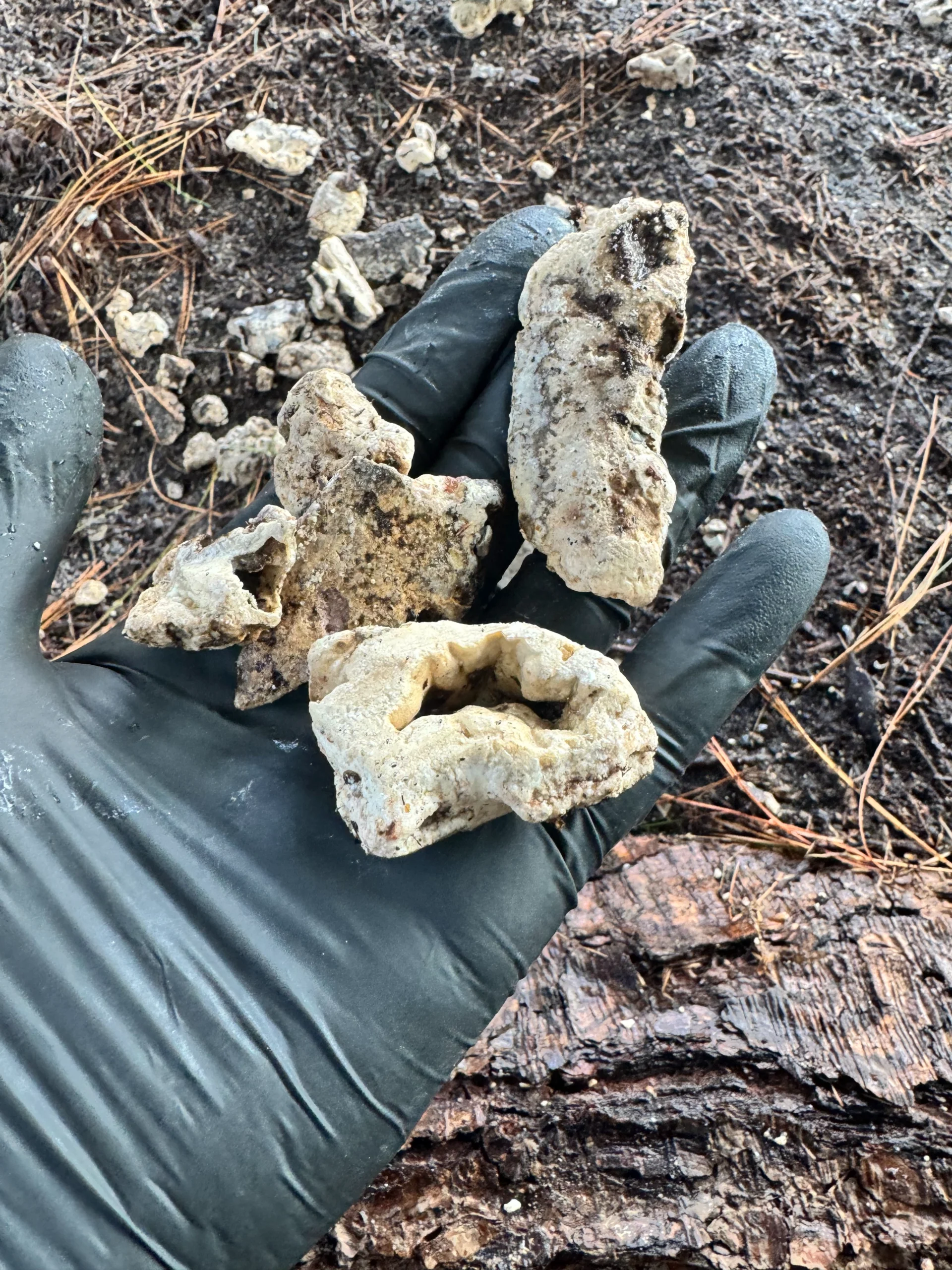
Snaking punches a path through one blockage; hydro jetting scours the whole pipe wall back to full diameter. A cable is the right, cheaper call for a single soft clog in a sound pipe. Hardened grease, mineral scale and root hair need jetting, after a camera pass confirms the pipe can take it.
In Seattle, the property owner is responsible for the whole side sewer, from the house to the connection at the public main, including the section under the sidewalk and street. Seattle Public Utilities maintains only the main itself.
Phones are answered and trucks run 8 AM to 8 PM, seven days a week, with same-day service when the schedule allows. Online booking takes requests around the clock, and a Saturday evening slot costs the same as a Tuesday morning one.
Describe what is happening and attach photos through the contact form. You will get a straight answer on what it likely is and what to do next, before anyone books a truck.
The Drain Authority
5608 17th Ave NW, Suite 2025


