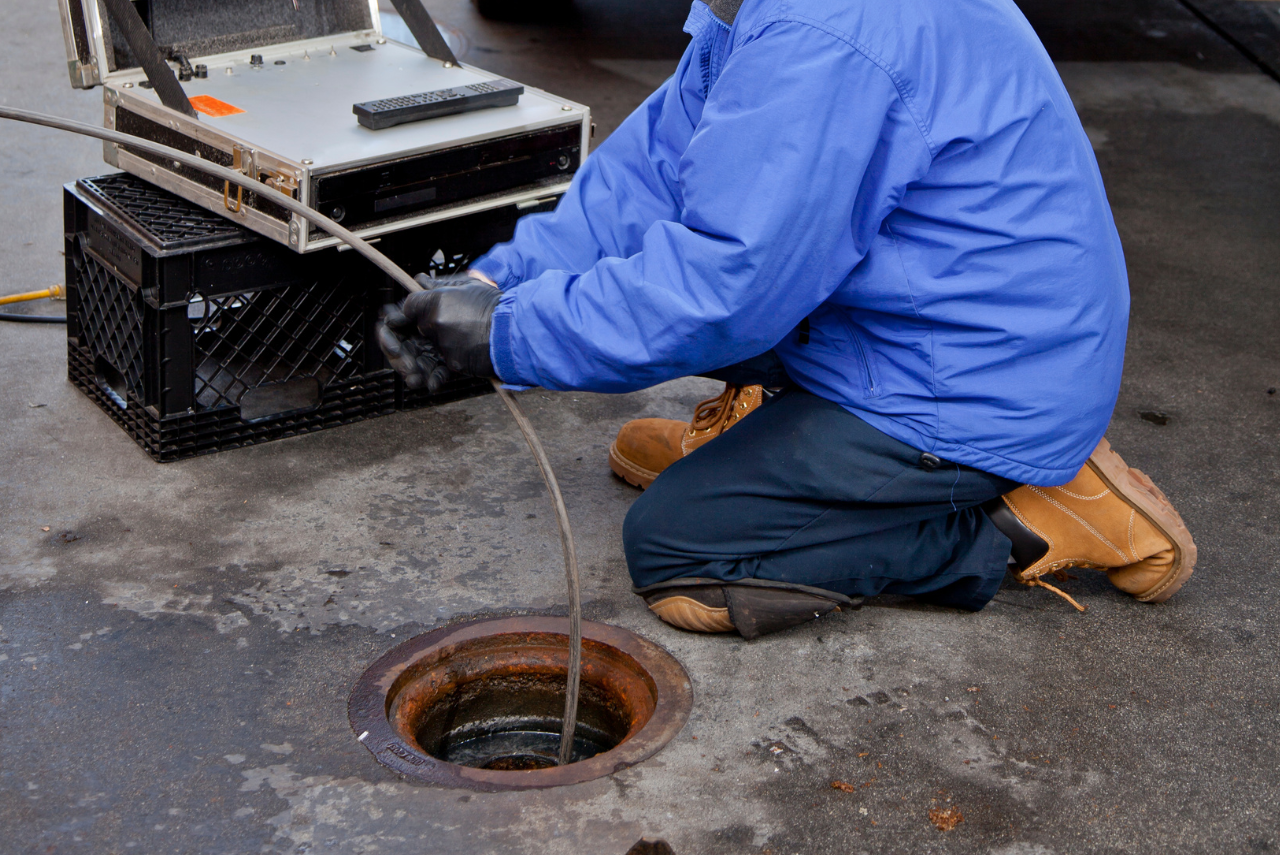
Main sewer line cleaning clears the single pipe that carries wastewater from your whole house to the city sewer. When that line blocks, several fixtures back up at once instead of one. We diagnose which line is actually restricted, clear it by cable or jetting, and confirm flow before we leave.
Is it the main line, or just one drain?
This is the first thing to settle, because it decides the tool, the access point and the price. One slow sink is a branch line problem. A main sewer line problem shows up in more than one place at the same time.
Three signs point downstream, past the fixture you are standing at:
- More than one fixture is affected. A tub and a toilet on the same floor, or fixtures on two different floors, slowing together.
- A fixture reacts when you use a different one. The classic version is a toilet that gurgles when the washing machine drains, or when someone runs a shower. That noise is air being pushed back through a partly blocked line.
- Water appears at the lowest opening. A basement floor drain, a shower on the lowest level, or the cleanout itself. Water takes the lowest exit it can find, so the lowest fixture is where a main line restriction shows first.
If only one fixture is involved and nothing else reacts, you are almost certainly looking at a branch line, which is covered on our main drain cleaning page. If you are not sure which pattern you have, the drain problem diagnostic walks through it in a couple of minutes.
Sewer odor counts as a symptom
Persistent sewer smell indoors is worth checking quickly, particularly alongside slow or bubbling drains. Odor means gas is escaping somewhere it should not, either past a dry trap or through a line that is not moving as it should. On its own it is not proof of a main line blockage. Combined with any of the three signs above, it moves the main line to the top of the list.
Who owns the sewer line in Seattle
This surprises most homeowners, and it matters before anyone quotes you. In Seattle the property owner is responsible for the side sewer, and that responsibility does not stop at the property line. Seattle Public Utilities states that your side sewer carries wastewater from your home and extends beyond your property line all the way to the sewer mainline, which is the point where SPU responsibility begins.
In practice that means the run under your planting strip, your sidewalk and often part of the street is yours to maintain. It is also the stretch most likely to be old, and the stretch with street trees over it.
You can look up your own line before you call anyone. Seattle keeps historical side sewer cards, the original permit drawings showing where the pipe runs and where the cleanout was placed, in the Side Sewer Card Viewer. Search your address and you will often find the pipe material, the depth and the route. That card tells a technician where to start instead of guessing, and it is free.
We looked at what these records show across one neighbourhood in the Ballard side sewer report.
What actually blocks Seattle main lines
Four causes account for most of what we pull out of main sewer lines in this city, and they are tied to how and when Seattle was built.
Roots. Mature street trees sit directly over the side sewer on a great many Seattle blocks. Roots do not smash pipe open. They find an existing gap, a joint that has shifted or a crack, and grow in toward the water. Once inside they spread into a mat that catches everything else moving past. Roots are the most common reason a line that was cleared last year closes again this year, which we cover in tree root drain clogs.
Grease and soft buildup. Kitchen waste cools and coats the pipe wall on the way out. On its own it narrows the line. Combined with a root mat it is what turns a slow drain into a stopped one.
Pipe material and era. Older Seattle homes commonly have clay or cast iron side sewers. Clay is jointed every few feet, and every joint is a place roots can enter. Cast iron corrodes from the inside and builds a rough scale that grabs debris. Newer plastic lines have fewer joints but are not immune, particularly where they were laid over poorly compacted ground.
Offsets and bellies. Ground moves. A joint that shifts leaves a lip that catches solids, and a section that has sagged holds standing water where debris settles. Cleaning restores flow through these, but it does not correct the shape of the pipe, so they tend to recur. That is a repair question rather than a cleaning question, and we do not do sewer repair or replacement.
Can cleaning stop whole-home backups?
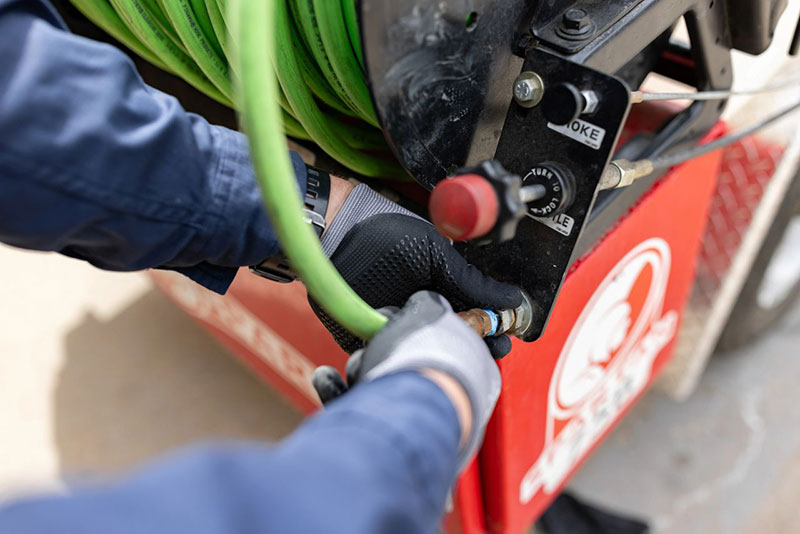
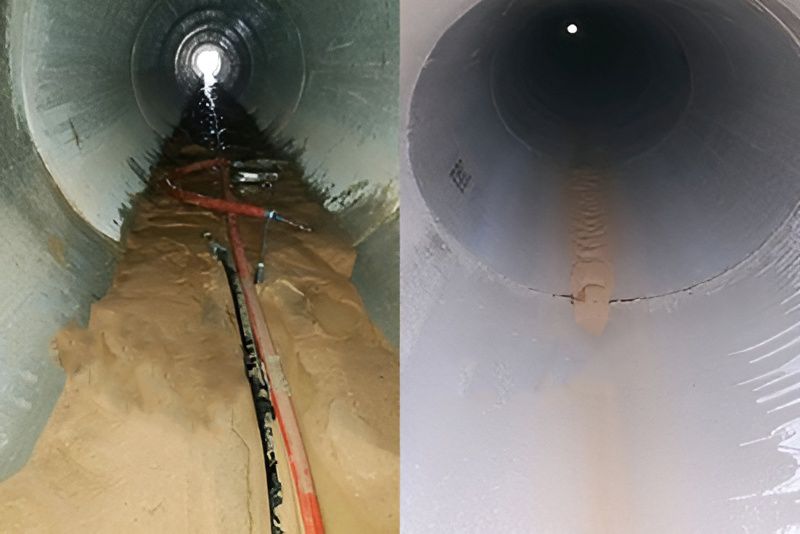
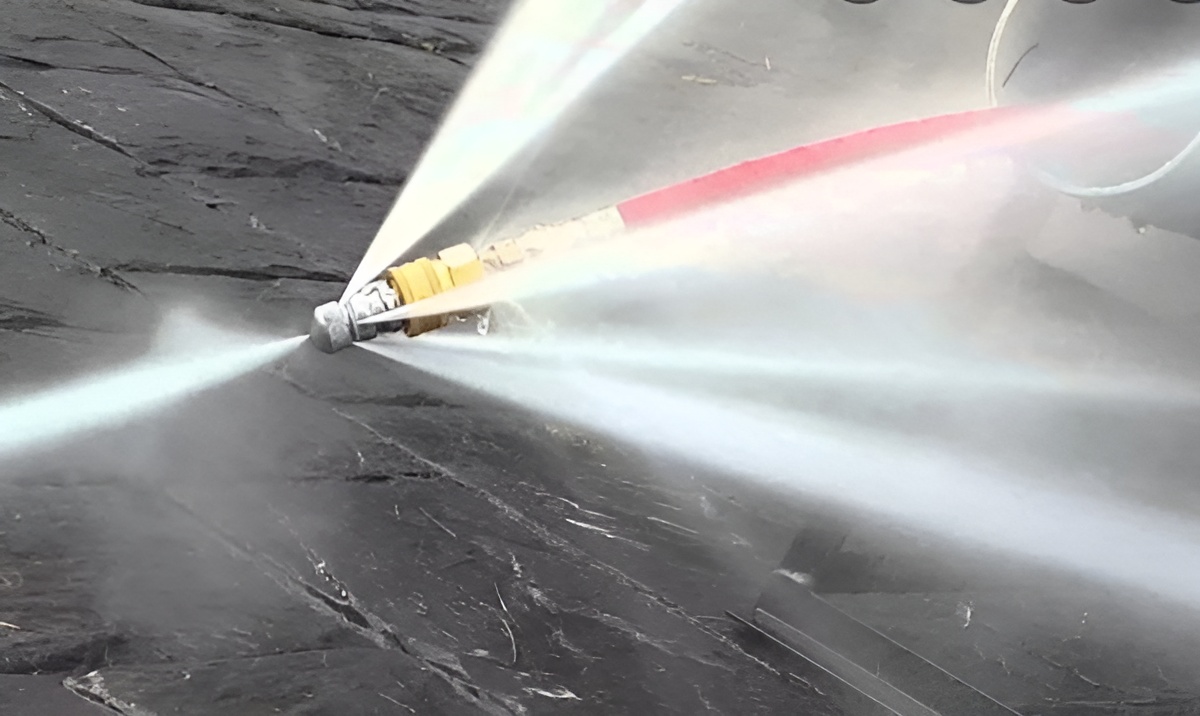
Usually yes, when the cause is a restriction that can be removed. Clearing the main line targets the thing that is actually holding water back, which is why the whole house drains again rather than one fixture. Cable work cuts and pulls a path through roots and debris. Jetting scours the pipe wall, which matters when grease is the problem, because a cable will punch a hole through grease and leave the coating behind.
What cleaning cannot do is change a pipe that has failed structurally. If a camera shows a collapsed section, a significant offset or a belly holding water, clearing it buys you function back for a while but the condition is still there. We will tell you that plainly rather than sell you the same cleaning every year. We are a drain and sewer cleaning company. We do not perform sewer repair or replacement, so we have nothing to gain by talking you into one.