• Open Daily, 8 AM–8 PM
  • info@drainauthority.pro

Main Sewer Line Cleaning in Seattle

CALL NOW

Drain & Sewer Services

Seattle Drain Cleaning Guide

Quick DIY tips to keep drains clear and prevent costly plumbing problems.

Contact Us

Schedule Same-Day Service

Serving The Greater Seattle Metro
Commercial Drain Cleaning For Seattle Businesses - The Drain Authority

Main Sewer Line Backups in Seattle WA: Signs, Causes, and the Right Fix

Main sewer line cleaning clears the single pipe that carries wastewater from your whole house to the city sewer. When that line blocks, several fixtures back up at once instead of one. We diagnose which line is actually restricted, clear it by cable or jetting, and confirm flow before we leave.

Is it the main line, or just one drain?

This is the first thing to settle, because it decides the tool, the access point and the price. One slow sink is a branch line problem. A main sewer line problem shows up in more than one place at the same time.

Three signs point downstream, past the fixture you are standing at:

  • More than one fixture is affected. A tub and a toilet on the same floor, or fixtures on two different floors, slowing together.
  • A fixture reacts when you use a different one. The classic version is a toilet that gurgles when the washing machine drains, or when someone runs a shower. That noise is air being pushed back through a partly blocked line.
  • Water appears at the lowest opening. A basement floor drain, a shower on the lowest level, or the cleanout itself. Water takes the lowest exit it can find, so the lowest fixture is where a main line restriction shows first.

If only one fixture is involved and nothing else reacts, you are almost certainly looking at a branch line, which is covered on our main drain cleaning page. If you are not sure which pattern you have, the drain problem diagnostic walks through it in a couple of minutes.

Sewer odor counts as a symptom

Persistent sewer smell indoors is worth checking quickly, particularly alongside slow or bubbling drains. Odor means gas is escaping somewhere it should not, either past a dry trap or through a line that is not moving as it should. On its own it is not proof of a main line blockage. Combined with any of the three signs above, it moves the main line to the top of the list.

Who owns the sewer line in Seattle

This surprises most homeowners, and it matters before anyone quotes you. In Seattle the property owner is responsible for the side sewer, and that responsibility does not stop at the property line. Seattle Public Utilities states that your side sewer carries wastewater from your home and extends beyond your property line all the way to the sewer mainline, which is the point where SPU responsibility begins.

In practice that means the run under your planting strip, your sidewalk and often part of the street is yours to maintain. It is also the stretch most likely to be old, and the stretch with street trees over it.

You can look up your own line before you call anyone. Seattle keeps historical side sewer cards, the original permit drawings showing where the pipe runs and where the cleanout was placed, in the Side Sewer Card Viewer. Search your address and you will often find the pipe material, the depth and the route. That card tells a technician where to start instead of guessing, and it is free.

We looked at what these records show across one neighbourhood in the Ballard side sewer report.

What actually blocks Seattle main lines

Four causes account for most of what we pull out of main sewer lines in this city, and they are tied to how and when Seattle was built.

Roots. Mature street trees sit directly over the side sewer on a great many Seattle blocks. Roots do not smash pipe open. They find an existing gap, a joint that has shifted or a crack, and grow in toward the water. Once inside they spread into a mat that catches everything else moving past. Roots are the most common reason a line that was cleared last year closes again this year, which we cover in tree root drain clogs.

Grease and soft buildup. Kitchen waste cools and coats the pipe wall on the way out. On its own it narrows the line. Combined with a root mat it is what turns a slow drain into a stopped one.

Pipe material and era. Older Seattle homes commonly have clay or cast iron side sewers. Clay is jointed every few feet, and every joint is a place roots can enter. Cast iron corrodes from the inside and builds a rough scale that grabs debris. Newer plastic lines have fewer joints but are not immune, particularly where they were laid over poorly compacted ground.

Offsets and bellies. Ground moves. A joint that shifts leaves a lip that catches solids, and a section that has sagged holds standing water where debris settles. Cleaning restores flow through these, but it does not correct the shape of the pipe, so they tend to recur. That is a repair question rather than a cleaning question, and we do not do sewer repair or replacement.

Can cleaning stop whole-home backups?

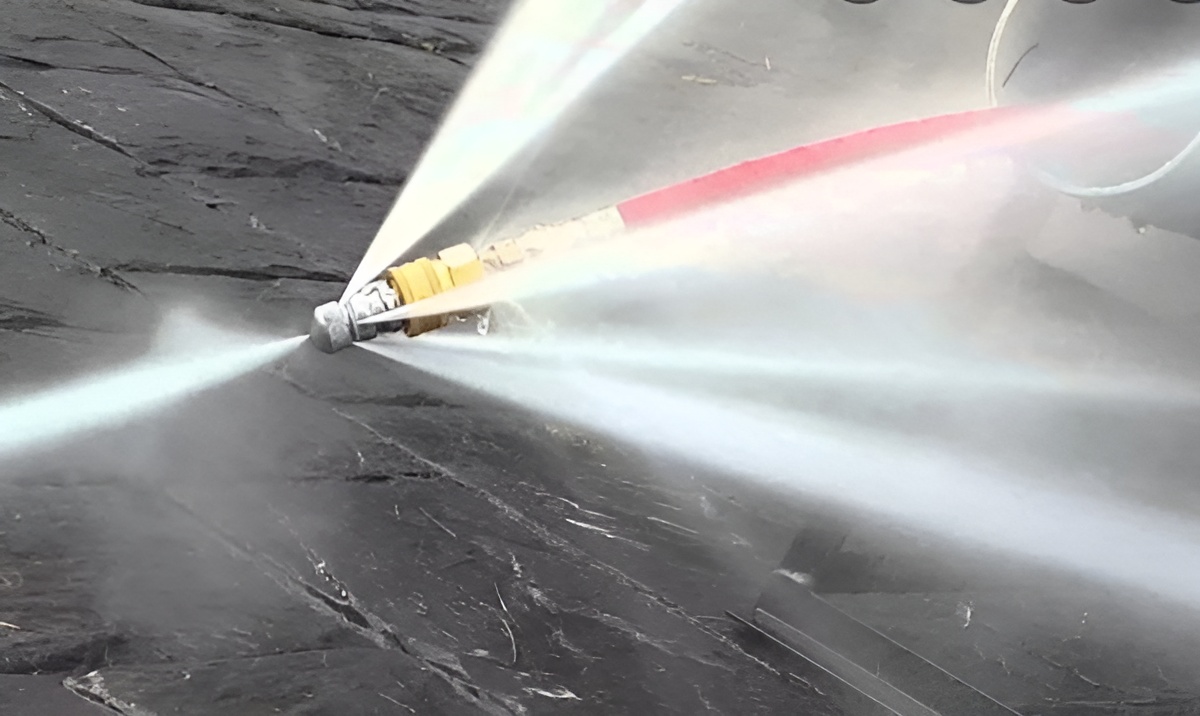
Usually yes, when the cause is a restriction that can be removed. Clearing the main line targets the thing that is actually holding water back, which is why the whole house drains again rather than one fixture. Cable work cuts and pulls a path through roots and debris. Jetting scours the pipe wall, which matters when grease is the problem, because a cable will punch a hole through grease and leave the coating behind.

What cleaning cannot do is change a pipe that has failed structurally. If a camera shows a collapsed section, a significant offset or a belly holding water, clearing it buys you function back for a while but the condition is still there. We will tell you that plainly rather than sell you the same cleaning every year. We are a drain and sewer cleaning company. We do not perform sewer repair or replacement, so we have nothing to gain by talking you into one.


SEATTLE MAIN SEWER LINE HELP

How We Clear a Main Sewer Line Clog in Seattle WA

Diagnosis first, then the right fix. We reopen flow fast and reduce repeat backups across Seattle and the metro.

1
Confirm it is the main line

Multiple drains slow, gurgling after flushing, or backup at the lowest fixture usually points to the main sewer.

2
Clear the blockage

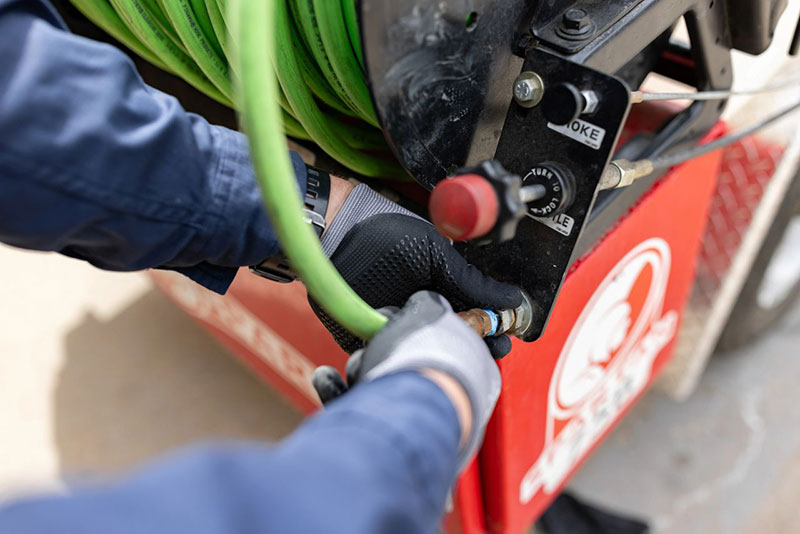
Rooter service for clogs and roots. Hydro jetting when buildup needs a full pipe clean.

3
Verify the cause

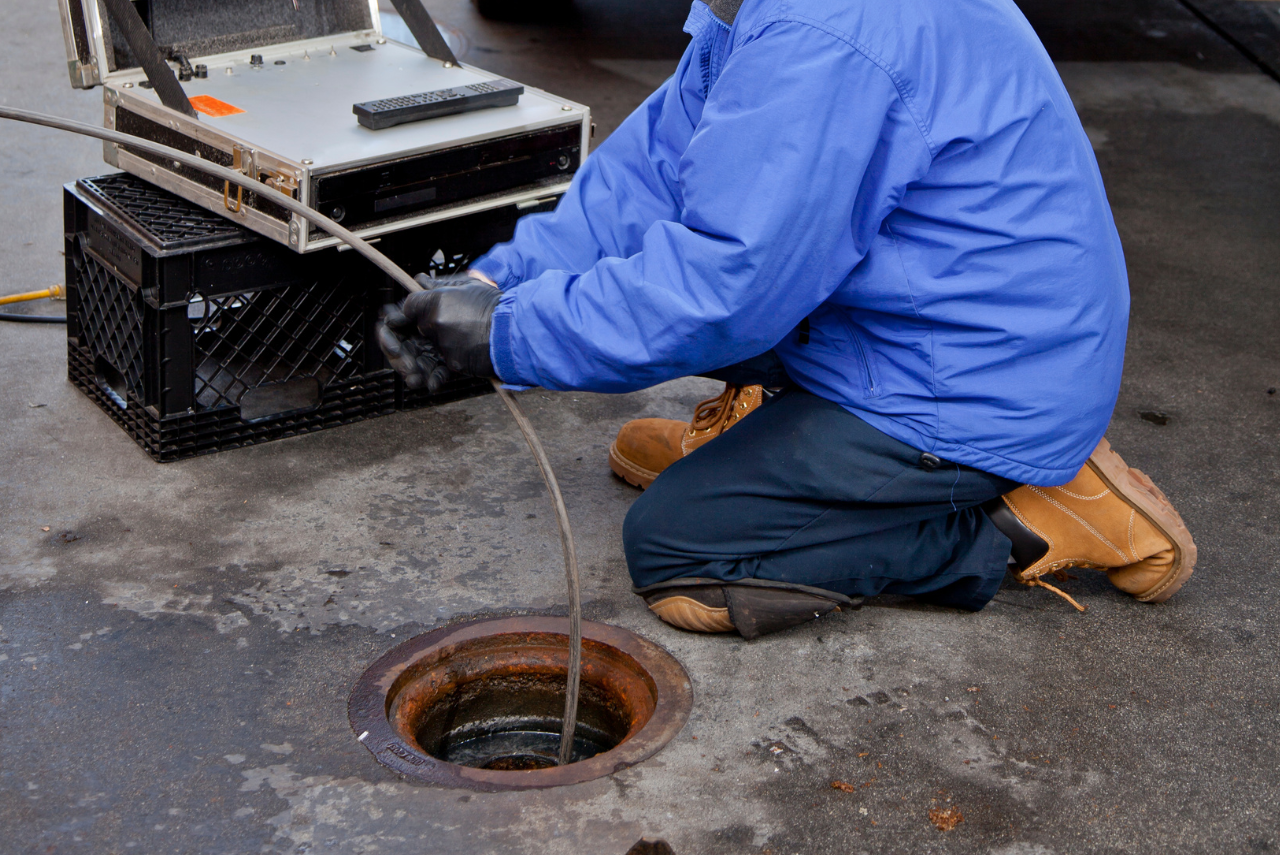
If it keeps coming back, a camera inspection shows exactly what is happening so the solution lasts.

What main sewer line cleaning costs in Seattle

Price follows the access point, how much pipe is involved and what is actually inside the line, which is why we diagnose before quoting. Across the Seattle metro, the ranges we publish in our Seattle drain cleaning guide are:

Work Typical range
Main sewer line cleaning, standard cable clearing$450 to $900
Hydro jetting, where roots or heavy buildup are present$700 to $2,300+
Sewer camera inspection$300 to $500

There is no trip fee to have us look, and you get one flat price before any work starts. If a quote changes once someone is under your house, that is a sales tactic rather than a discovery. We wrote about how the cheapest advertised number turns into a much larger invoice in the $99 drain cleaning scam in Seattle.

A backup happening right now

If wastewater is coming up somewhere in the building, the single most useful thing you can do is stop adding to it.

  • Stop all water use. No laundry, no dishwasher, no showers, no flushing. Every gallon you send down has nowhere to go and comes back up at the lowest opening.
  • Keep people and pets away from standing wastewater. Treat it as contaminated.
  • Do not pour drain chemicals into a line that is already full. They sit in standing water and are then in the way of whoever has to work on it.
  • Find your cleanout if you can. Usually a capped pipe outside near the foundation or in the yard. Knowing where it is saves time on arrival.

If water is entering the building from the street, or the street itself is flooding, that can be a public-side problem. Seattle Public Utilities asks residents to report those to its Operations Response Center on (206) 386-1800, 24 hours a day, so the city can rule out its own line first.

One thing to be clear about: we clear the blockage that caused the backup and confirm the line is flowing again. That is the part that stops it happening a second time. We are a drain and sewer company, not a restoration contractor, so we do not do water extraction, drying or contaminated material cleanup. On a backup the right order is almost always to stop the source first, then bring in restoration if there is damage to remediate.

Choosing who does main line work

Main line work is not the same job as clearing a sink, and not every company that advertises drain cleaning is set up for it. Five things are worth checking before you book:

  1. Confirm the licence yourself. Washington lets you look up any contractor by name or registration number through L&I Verify. It shows registration status, bond and insurance. Our registration is DRAINDA756MA.
  2. Ask whether they own a camera, and whether they will show you the screen. A main line diagnosis that is not backed by footage is a guess. You should be able to see what is in your pipe.
  3. Ask what happens if it is not the main line. A company that only sells one service tends to find that one service. The honest answer is that they will tell you and price the smaller job.
  4. Get the price before the work, not during it. A firm number agreed up front is the difference between a quote and an opening bid.
  5. Ask whether they do repairs. This one cuts both ways and it is worth understanding. A company that also sells sewer replacement has a reason to find one. We do cleaning only, so when we say a line needs a repair we are handing that work to somebody else.

We looked at the difference between a drain specialist and a general plumber for this kind of work in why hiring a drain cleaner, not just a plumber, can save you thousands.

Related services: sewer camera inspection, rooter service, hydro jetting and drain jetting near me. To book, contact us.

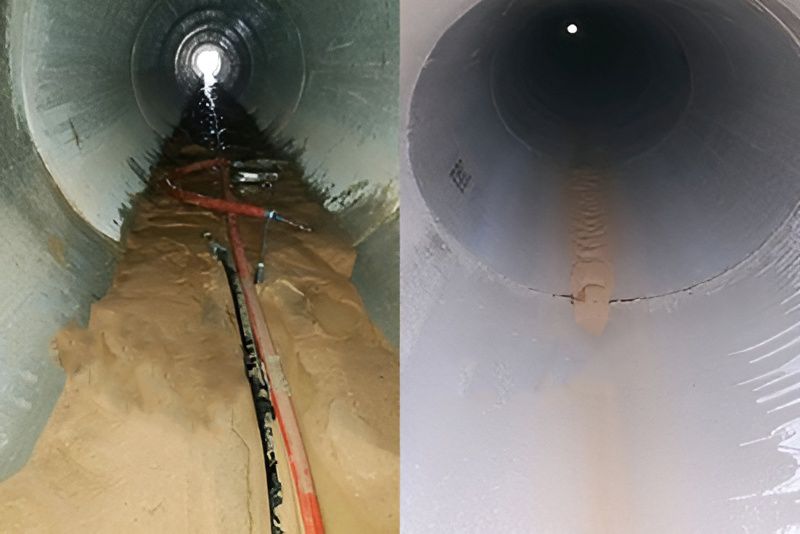
Commercial Drain Cleaning Seattle Before & After Pictures - The Drain Authority Washington
Seattle Commercial Drain Jetting - The Drain Authority
Commercial Drain & Sewer Cleaning Seattle Metro - The Drain Authority
  • Gurgling Fixture Noises
  • Clogs Keep Returning
  • Sewer Smells Present
  • Frequent Clogged Toilets
  • Standing Water Appears
  • Water Backs Up
Questions, answered

Seattle Main Sewer Line Cleaning FAQ

Straight answers to the questions Seattle customers actually ask.

What are main sewer line warning signs in Seattle?

Several Seattle drains backing up, toilet gurgling, sewer odor, and floor drain water usually point beyond one fixture.

Can main line cleaning stop whole-home backups?

For Seattle properties, it targets downstream restrictions. The method may be cable, jetting, or camera-informed cleaning depending on what is inside.

Is sewer odor urgent?

Persistent odor in Seattle should be checked quickly, especially when drains are slow, bubbling, or backing up.

How do I know the problem is the main sewer line and not one drain?

Three signs point downstream: more than one fixture is affected, a toilet gurgles when a different fixture drains, or water appears in a floor drain, tub, or cleanout. Any one of those means wastewater is struggling to leave the building, and running more water into the system makes it worse rather than better.

What should I do while waiting for help with a sewer backup?

Stop using water in the building — no laundry, dishwasher, showers, or flushing. Every gallon you send down has nowhere to go and comes back up at the lowest fixture. Do not pour chemical drain opener into a line that is already full, and do not remove a cleanout cap if the line may be under pressure.

Do you handle sewage backup cleanup in Seattle?

We clear the blockage that caused the backup and confirm the line is flowing again — that is the part that stops it from happening a second time. We are a drain and sewer company, not a restoration contractor, so we do not do water extraction, drying, or contaminated-material cleanup. On a Seattle backup, the right order is almost always: stop the source first, then bring in restoration if there is damage to remediate.

Am I responsible for the sewer line in my Seattle yard?

Seattle is unusual: the property owner is responsible for the entire side sewer, including the run under the planting strip, sidewalk, and street, all the way to the connection at the public main. A blockage 40 feet out in the right-of-way is still the owner’s pipe. Before you pay for a repair, it is worth confirming where the responsibility line actually falls on your property — the answer differs from city to city in this area, and people are regularly quoted for pipe they do not own.

How much does main sewer line cleaning cost in Seattle?

Price depends on the access point, the length of pipe involved, and what is actually in the line — which is why we diagnose before quoting and never charge a trip fee to look. What you will not get is a "$99 drain cleaning" number that turns into a much larger figure once the technician is at your door. You get one flat price for the agreed work, before anything starts.

Drain backed up? Get a flat price before we start.

Same-day service when the schedule allows. No trip fee to look. Open daily, 8 AM to 8 PM.

Recent Drain & Sewer Work

Real jobs from Seattle, Bellevue and Renton: roots, grease, scale, floor drains and sewer camera inspections.

Compare drain and sewer services

© 2026 The Drain Authority LLC. All rights reserved. Powered by PSC