Seattle homes deal with a mix of aging plumbing, big tree roots, heavy rainfall, and older neighborhoods built with clay and cast iron sewer lines. When drains begin slowing down, gurgling, or backing up, it usually points to a deeper issue rather than a simple surface clog. This guide explains everything homeowners need to know about drain cleaning in Seattle, including causes, warning signs, professional tools, and cost ranges.
Many Seattle neighborhoods, including Queen Anne, Fremont, Ballard, Beacon Hill, and Capitol Hill, still rely on sewer lines installed decades ago. These older systems struggle with soil movement, heavy buildup, and roots searching for moisture. A small clog in these lines can quickly become a major blockage that pushes wastewater into showers, tubs, basements, or laundry rooms.
Professional drain cleaning goes far beyond clearing a small plug. A trained technician evaluates the entire system from the house to the city connection and restores full flow, protecting your home from repeat backups and hidden damage.
Homeowners throughout Seattle often notice the same warning signs:
• Water pooling in tubs or showers
• Toilets bubbling or gurgling
• Sewer odors inside the home
• Slow draining kitchen sinks
• Backups in multiple fixtures at the same time
• Sinks gurgling when toilets flush or laundry drains
These symptoms usually indicate a deeper blockage. Ignoring them can lead to a full sewer backup.
Professional drain cleaning typically involves snaking, hydro jetting, and sewer camera inspection. Each method serves a specific purpose, and the right plumber knows when to use each one.
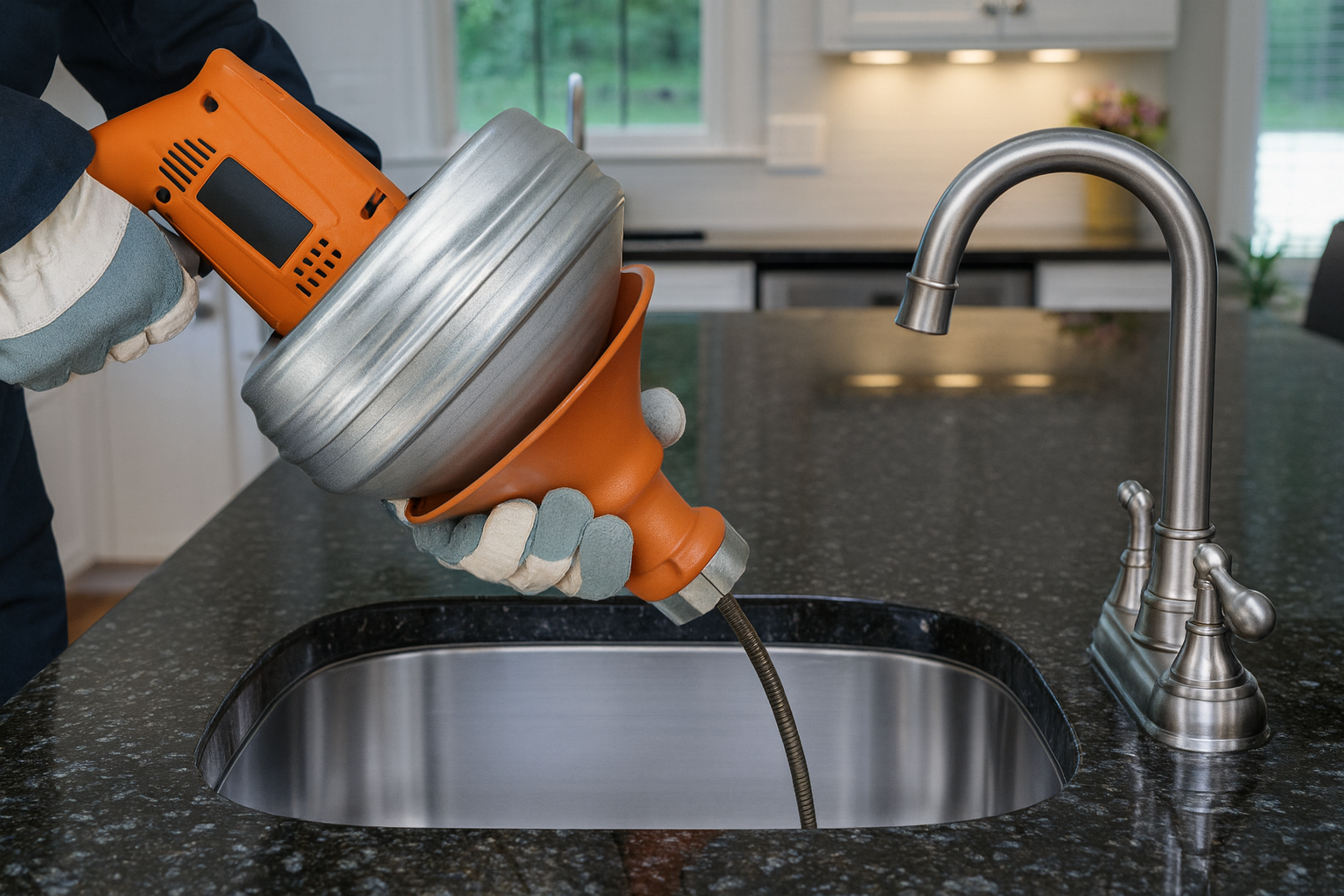
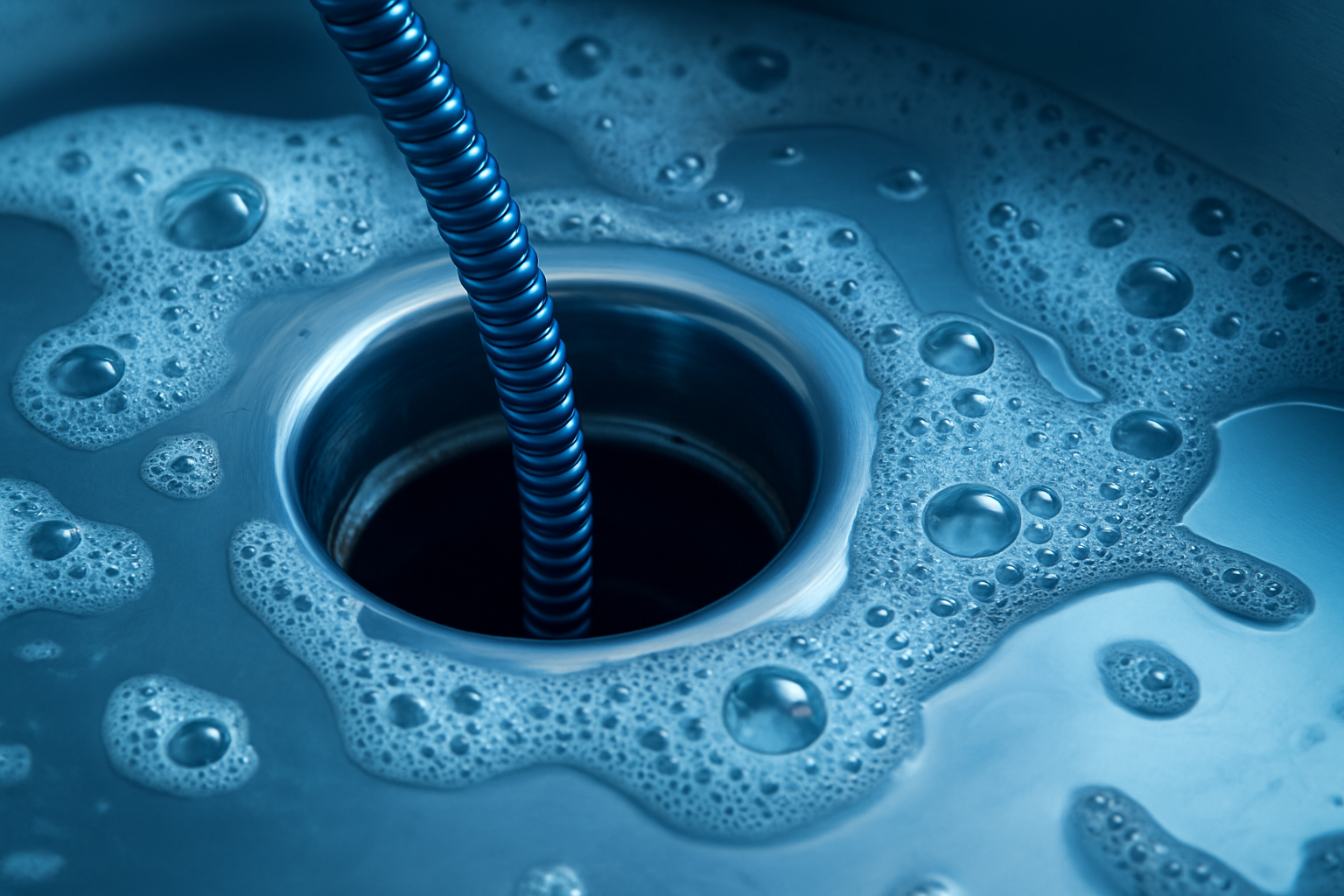
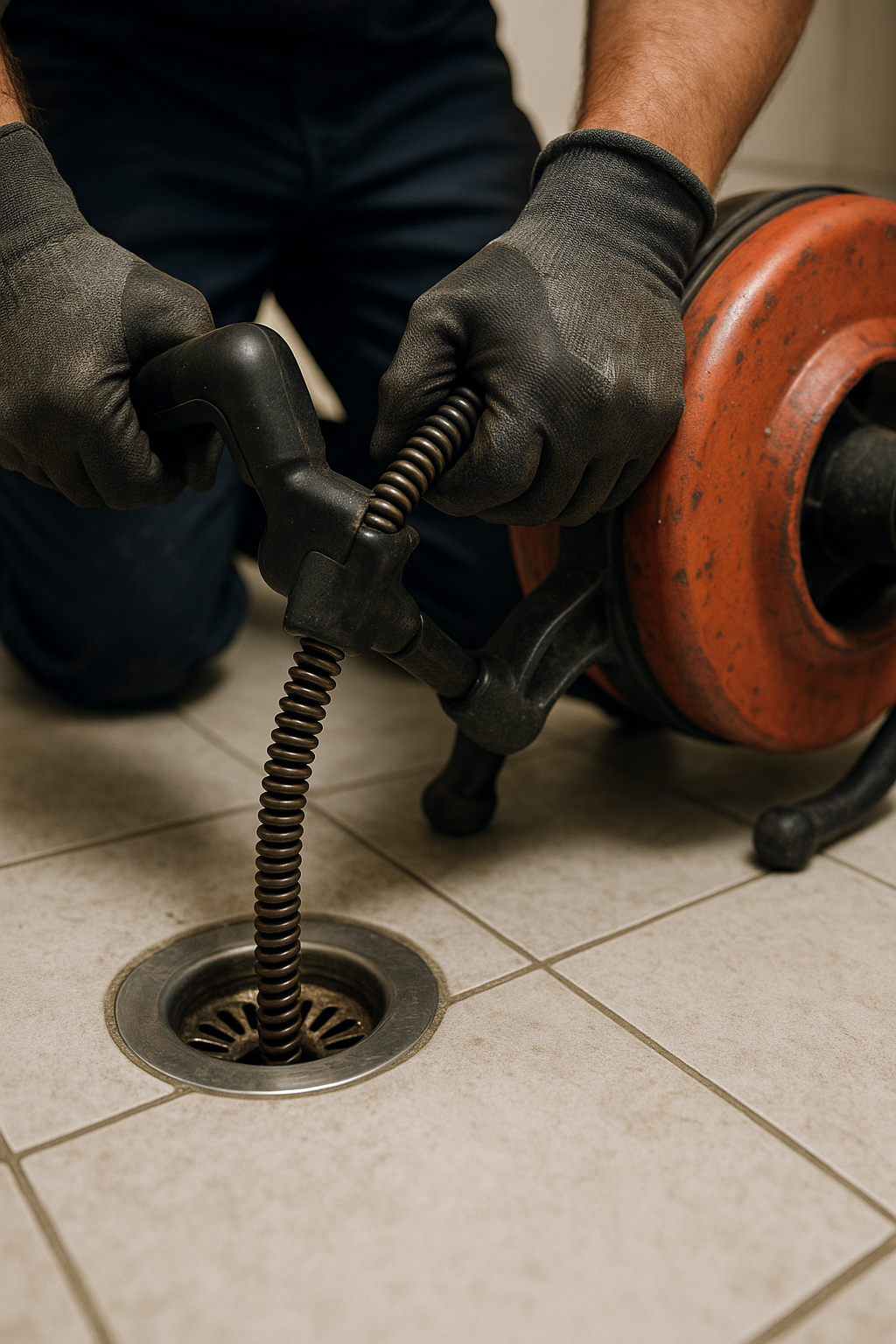
Snaking uses a rotating auger to break apart and remove blockages. It is effective for:
• Hair buildup
• Soap scum
• Minor root intrusion
• Initial scale or mineral buildup
Snaking can restore flow but may not fully clean heavily coated pipes.
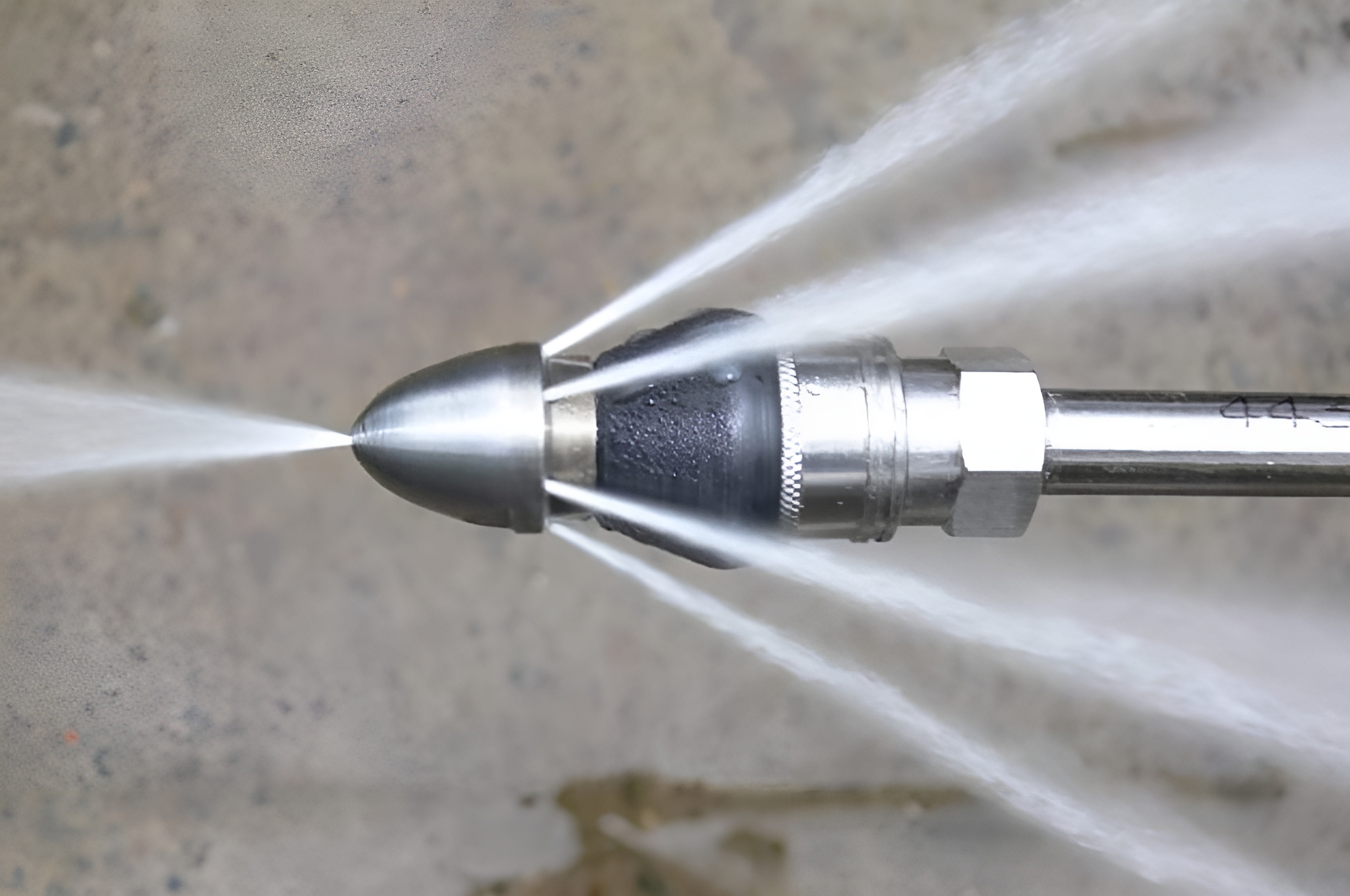
Hydro jetting uses high pressure water to scrub the inside of the pipe clean from wall to wall. It works well for:
• Heavy grease
• Thick root growth
• Sludge, sand, and debris
• Cast iron scale
• Main line blockages affecting multiple fixtures
This is especially beneficial for older Seattle homes.
A waterproof camera is pushed through the drain line to show:
• Root intrusion
• Cracks or collapsed sections
• Pipe bellies
• Heavy grease or scale
• Foreign objects
This helps confirm problems and verify that a clog is fully cleared.
While every home is different, most Seattle drain problems fall into a few common categories.
Oils, sauces, and food particles coat the inside of kitchen pipes, harden, and trap debris until the line closes.
Bathroom drains collect hair and soap residue, and hard water minerals add another layer that leads to slow drains.
Large Seattle trees send roots into sewer lines through tiny cracks or loose joints. Once inside, roots trap debris and cause repeated backups.
Cast iron pipes corrode internally, creating sharp scale that catches waste. Clay pipes can shift or crack over time.
Seattle’s wet terrain allows soil to shift, causing low points in sewer lines. Waste settles in these dips and repeatedly clogs the system.
Slow draining sinks, tubs, or showers usually mean buildup or a partial blockage inside the line.
Gurgling indicates trapped air caused by blockages deeper in the system.
When more than one fixture backs up at once, the main sewer line is usually the problem.
Sewer odors often signal standing wastewater, broken pipes, or poor venting.
Changes in the toilet water level when using sinks or showers suggest a main line restriction.
Stormwater can overwhelm partially blocked sewer lines in older Seattle neighborhoods.
The main sewer line carries all household waste to the city system. When it clogs, every drain can be affected.
Call a professional if you notice:
• Toilets that will not flush properly
• Basement or floor drains overflowing
• Wastewater backing into showers or tubs
• Sewer odors in multiple rooms
• Slow drainage in every fixture
• Thick root intrusion
• Heavy grease buildup
• Collapsed or cracked pipe sections
• Cast iron scaling
• Pipe bellies
Most main line cleanings include snaking, hydro jetting, and a final camera inspection.
Many Seattle homes built before the 1970s use clay, cast iron, or concrete sewer lines.
Clay pipes crack and shift easily. Joints can separate and allow roots to grow inside.
Cast iron rusts internally and creates scale that narrows the pipe and catches debris.
Routine drain cleaning protects older plumbing and helps avoid emergency repairs or full sewer replacement.
Homes typically deal with hair, soap, grease, and food waste. Most issues are isolated to one or two fixtures or the main line.
Commercial buildings experience heavier usage. Restaurants and shared systems often require scheduled hydro jetting to prevent disruptions.
Emergency situations require immediate attention.
• Sewage backing up into tubs or floor drains
• All toilets backing up at once
• Strong sewer odors with visible water
• Backups continuing even when water use stops
A professional must clear the blockage and confirm the line is safe.
Costs depend on severity, location of the clog, and required tools. Typical ranges include:
• Snaking a sink, tub, or shower: 300 to 500 dollars
• Main line snaking: 475 to 900 dollars
• Hydro jetting: 700 to 1,800 dollars
• Sewer camera inspection: 300 to 500 dollars
• Emergency service: extra 100-300 dollars on top of service selected (Drain Authority does not add emergency fees)
Be cautious of extremely low advertised prices that exclude important steps like main line work or camera inspections.
• Avoid pouring grease into sinks
• Use hair catchers
• Run hot water after sink use
• Avoid flushing wipes or paper towels
• Yearly camera inspections
• Periodic hydro jetting
• Checking landscaping near sewer lines
• Chemical drain cleaners
• Homemade tools
• Untrained use of high pressure equipment
• Ignoring early warning signs
A qualified technician evaluates the system, identifies the cause, provides long lasting solutions, and helps prevent future backups. Professional service protects your home, time, and budget, especially in older Seattle neighborhoods.
If you are experiencing slow drains, odors, or backups, scheduling drain cleaning sooner rather than later can prevent larger issues.
Many Seattle homes have older clay or cast iron sewer lines that collect debris and allow tree roots to enter through small cracks. Combined with grease from kitchen use and hair from bathroom drains, these older pipes clog more often than newer PVC systems.
If drains continue slowing down, gurgling, or backing up after using a chemical cleaner, the blockage is deeper in the line. Sewer smells, repeated clogs, or multiple fixtures draining slowly are strong signs that a professional is needed.
Areas such as Ballard, Queen Anne, Beacon Hill, and Fremont still rely on sewer lines installed decades ago. These materials shift with soil movement, build internal scale, and often attract root intrusion, leading to more frequent blockages.
This usually means the main sewer line is blocked. Stop running water in the home and schedule a professional drain cleaning as soon as possible. Backups affecting more than one fixture never come from a small surface clog.
Hydro jetting is best for heavy grease, thick roots, cast iron scale, and older pipes with years of buildup. Snaking can open a path through the clog, but hydro jetting removes debris from the entire pipe and reduces future blockages.
Basic drain cleaning often ranges from 150 to 300 dollars. Main line snaking is commonly 250 to 450 dollars. Hydro jetting varies between 400 and 1,200 dollars. Sewer camera inspections typically cost 150 to 300 dollars.
Yes. Mature Seattle trees regularly send roots into clay or cast iron pipes through tiny gaps. Once inside, they trap debris and cause recurring blockages. Hydro jetting is often the most effective method for removing root masses.
Sewer odors usually mean there is a partial blockage, standing wastewater, or venting issues. In many cases, the main line is beginning to clog and sewer gas is moving back into the home.
A camera inspection confirms the clog is fully cleared and helps identify cracks, roots, bellies, or other long term issues. Older Seattle homes benefit greatly from having one done during or after drain cleaning.
Homes with modern plumbing may only need cleaning when issues appear. Older homes with clay or cast iron lines benefit from yearly cleaning or periodic hydro jetting to prevent major blockages and sewer backups.