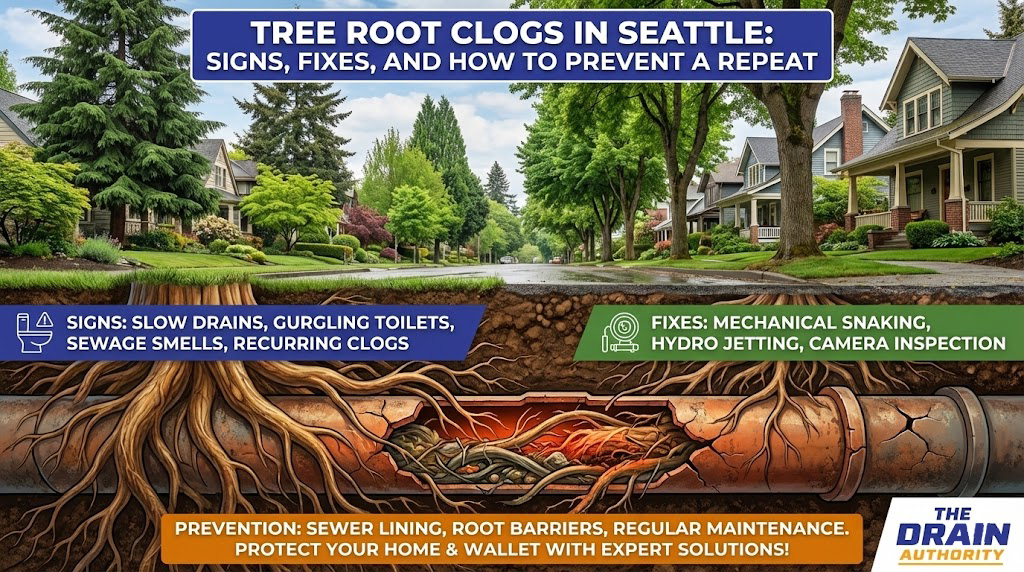
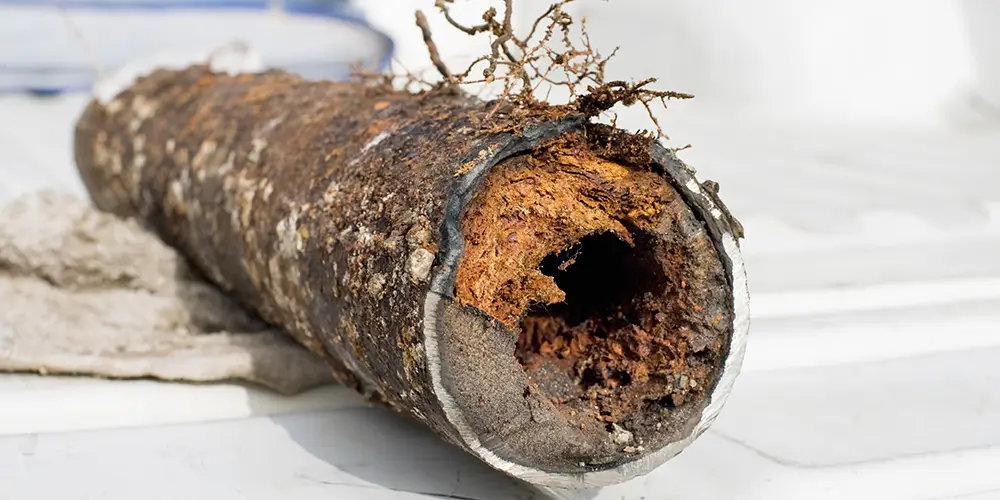
Tree root clogs are one of the most common reasons Seattle homeowners end up needing emergency drain cleaning, especially in older neighborhoods with mature landscaping and aging sewer lines. Roots don’t “randomly” invade pipes for fun – they follow moisture, find microscopic cracks or loose joints, then grow into a thick, fibrous net that catches toilet paper, grease, and debris until your drains slow down, gurgle, and eventually back up. If you’re searching for rooter service in Seattle, sewer line clog signs, or how to stop roots from coming back, this guide will walk you through exactly what to look for, the fastest fixes that actually work, and the prevention steps that keep you from paying for the same problem twice. If you want a professional diagnosis fast, start with a Seattle sewer camera inspection so you’re not guessing.
Root intrusion usually builds over time. The earlier you catch it, the cheaper and less disruptive the fix.
If you have multiple slow drains – kitchen, bathroom, laundry – this points to a main sewer line blockage rather than a single fixture clog. Roots in the main line are a top cause.
Gurgling is air getting trapped and pushed back through the system because wastewater can’t flow freely. This is a high-intent warning sign that homeowners often ignore until the first backup.
Roots can cause partial blockages that hold waste in the pipe longer than it should. That stagnant buildup can create odors that show up around floor drains, cleanouts, or outside near the line.
If your drain gets cleared and then clogs again within weeks or a couple months, you may have roots. A basic snake can punch a hole through the mass, but it often doesn’t remove enough material to stop regrowth.
A leaking sewer line can fertilize the soil. If one strip of grass looks suspiciously lush—or the ground stays damp even when it hasn’t rained – roots may have already opened the pipe up.
Next step: When you’re seeing two or more of these signs, book a sewer camera inspection in Seattle so you can confirm whether it’s roots, a belly, a break, or a grease blockage.
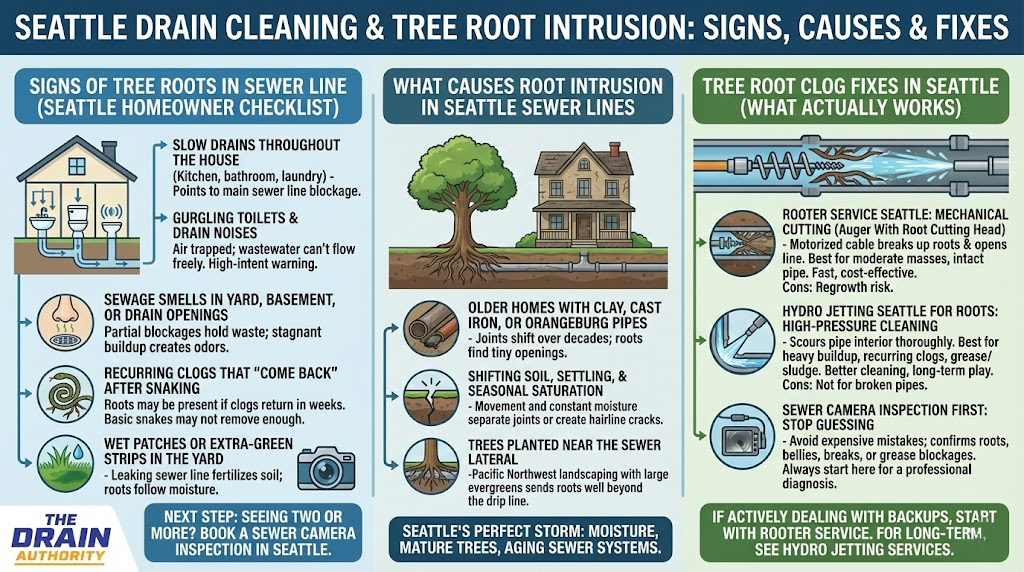
Seattle is basically a perfect storm for this problem: moisture, mature trees, and plenty of older sewer systems.
Older pipe materials and connection styles are more likely to have joints that shift over decades. Even tiny openings are enough – roots don’t need a big break to get started.
Soil movement and constant moisture can subtly separate joints or create hairline cracks. Once the pipe leaks even a little, roots detect that moisture and follow it like a beacon.
Common Pacific Northwest landscaping (large evergreens, ornamental trees, big-root shrubs) can send roots well beyond the drip line. If a tree is within a “reasonable distance” of the lateral, intrusion is always on the table.
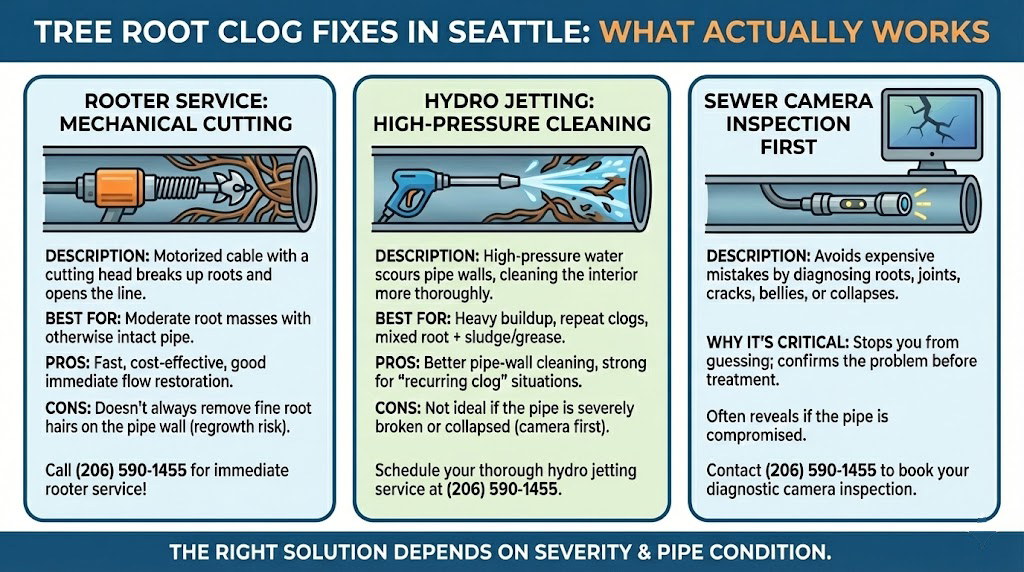
There are a few ways to clear roots. The right one depends on how severe the intrusion is and whether the pipe is damaged.
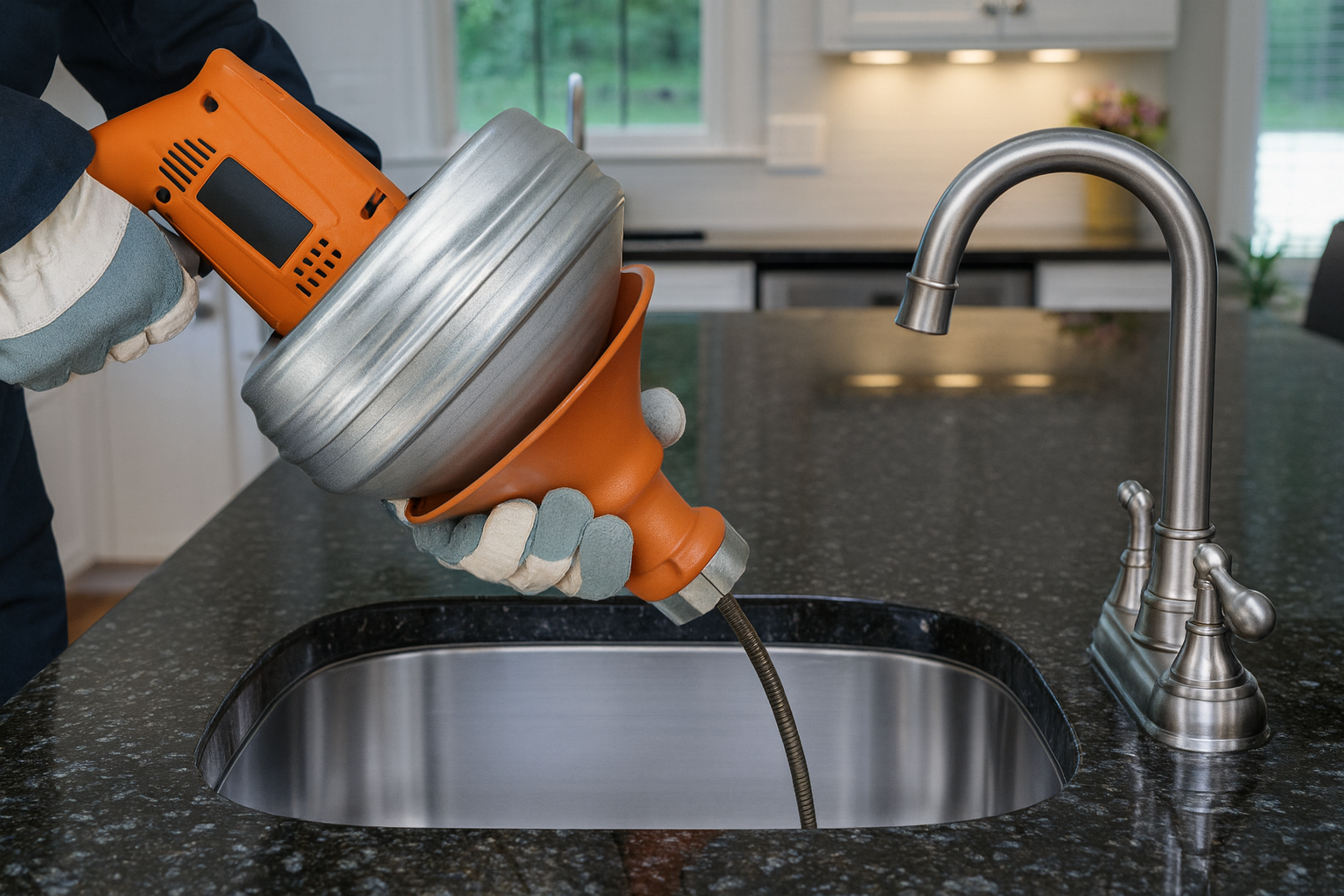
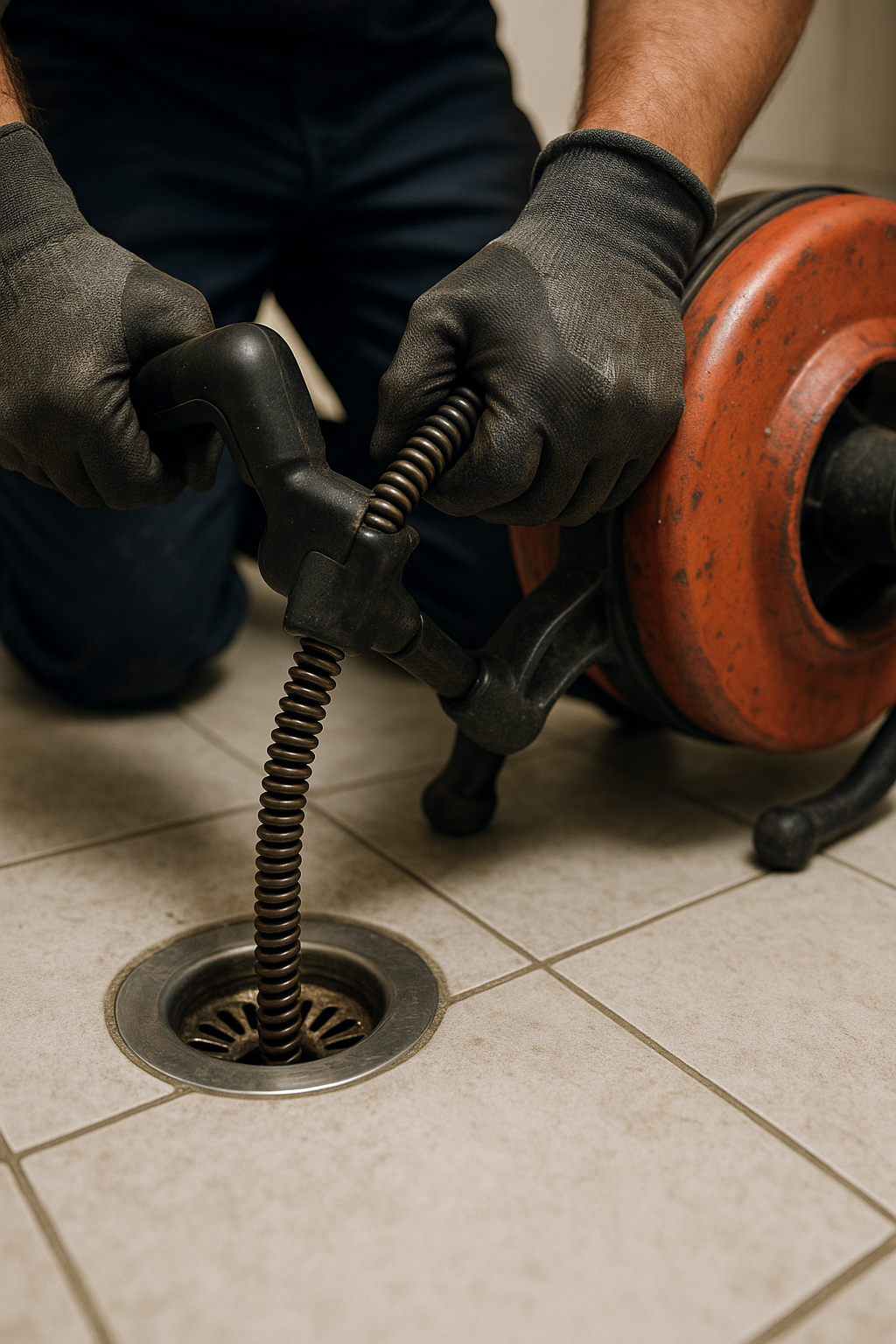
This is the classic “rooter” approach: a motorized cable with a cutting head that breaks up roots and opens the line.
Best for: Moderate root masses with otherwise intact pipe
Pros: Fast, cost-effective, good immediate flow restoration
Cons: Doesn’t always remove fine root hairs on the pipe wall (regrowth risk)
If you’re actively dealing with backups, start with a local service page like Rooter Service Seattle so you can get the line open quickly.
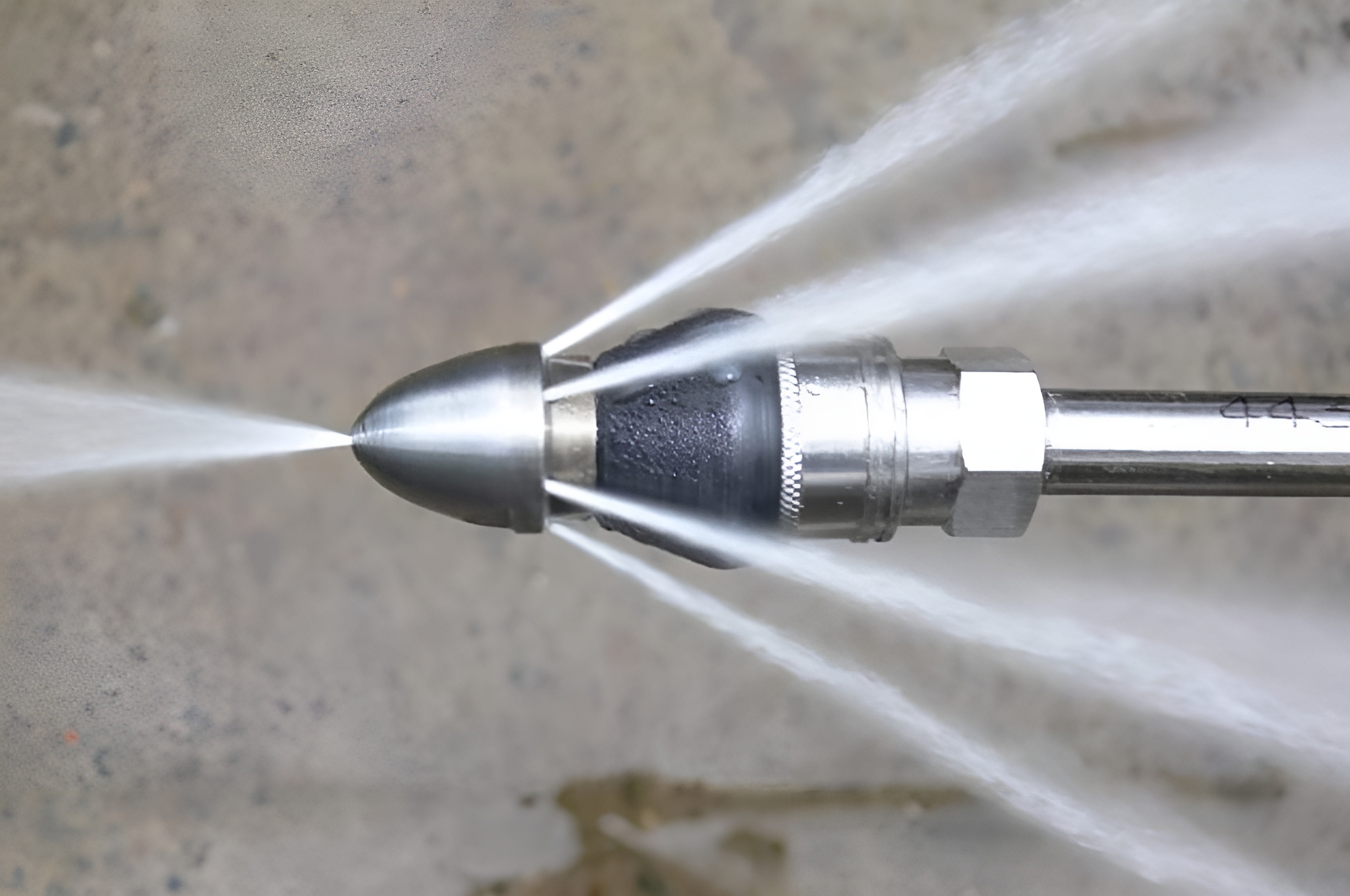
Hydro jetting can be a stronger long-term play because it doesn’t just cut a channel – it cleans the pipe interior more thoroughly.
Best for: Heavy buildup, repeat clogs, mixed root + sludge/grease
Pros: Better pipe-wall cleaning, strong for “recurring clog” situations
Cons: Not ideal if the pipe is severely broken or collapsed (camera first)
If you want the full breakdown of jetting as a solution, see Seattle Plumbing Hydro Jetting Services.
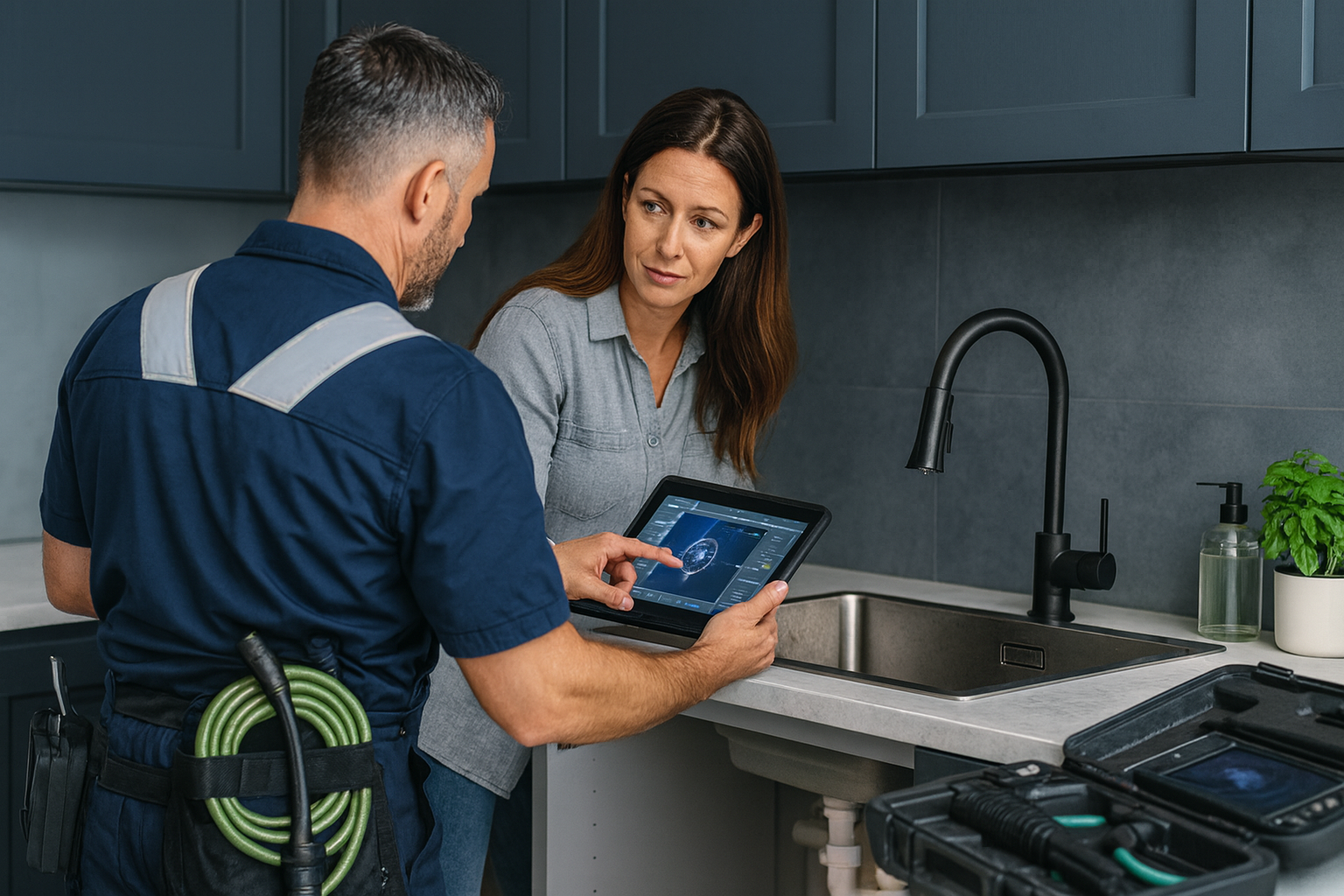
A camera inspection is how you avoid the expensive mistake of treating the wrong problem. Roots can look like “just a clog” until you see the joints, cracks, bellies, or collapses.
Book here: Sewer Camera Inspection Seattle.
Sometimes cleaning isn’t enough—because the pipe is already compromised.
If the line clogs again fast, it may mean there’s a bigger opening in the pipe letting roots in aggressively.
If the pipe has a belly (low spot holding water) or joints are misaligned, debris accumulates constantly—roots just make it worse.
If you’re still seeing backups after a “successful” clearing, you may have a structural issue, not a simple blockage.
For broader system-level support beyond drain cleaning, use Advanced Plumbing Services Seattle.
This is the part that saves real money. Clearing a root clog is only step one—stopping repeat intrusion is what protects your budget.
After the line is cleared, a quick re-check confirms:
That single detail helps you pick the right prevention plan.
If your house is older, has mature trees, or has had roots before, assume maintenance is part of ownership.
A practical schedule many homeowners use:
(Your plumber should recommend a schedule based on what the camera shows—not a generic sales pitch.)
Roots love debris. The cleaner your line stays, the less “food” there is to build a blockage around the roots.
Avoid:
For deeper drain cleaning best practices and what to expect from pros, link to Seattle Drain Cleaning.
If you’re dealing with any of these, it’s time to call now—not later:
That’s a main line issue and can turn into property damage fast.
Cross-fixture backups are a huge indicator the main line is blocked.
Floor drains are often the lowest exit point, so they show the problem early—then it gets worse.
If you need immediate help, go straight to Contact Advanced Plumber Seattle.
Exact prices vary, but you can usually predict the range based on a few variables.
A small section near one joint is simpler than a long lateral packed with roots.
Old clay with shifting joints is different from newer PVC. If the camera shows damage, you may need repair work beyond clearing.
If there’s an easy exterior cleanout, service is typically faster and cleaner than pulling toilets or working through indoor access points.
If you want a broader, Seattle-specific cost and methods breakdown, internal link to your detailed guide:
These two articles pair perfectly with this topic and help visitors move deeper into your site:
(Those two also support strong internal linking around method selection and buyer-safety intent.)
Clear stubborn clogs fast with honest, local help – get rooter service, hydro jetting, and camera inspections that fix the cause and keep your drains flowing.
The biggest red flags are multiple slow drains, toilet gurgling, recurring clogs, and water backing up in a tub or shower when you run other fixtures. Many Seattle homeowners also notice sewer odors or damp patches in the yard near the sewer route. If two or more of these are happening at once, it’s usually not a “simple clog.” A sewer camera inspection is the fastest way to confirm root intrusion versus a belly, grease blockage, or broken pipe.
Roots follow moisture. In Seattle, older sewer laterals often have tiny cracks, separated joints, or aging clay/cast-iron sections that leak small amounts of water into the soil. Roots detect that moisture and grow toward it, then push into the pipe opening and expand over time. Once inside, they create a net that catches paper, grease, and debris until the line slows or backs up. The root problem is usually a “pipe opening” problem first, and a “clog” problem second.
Rooter service can restore flow quickly, but it is not always permanent by itself. A cutting head may clear a pathway through the root mass, yet fine root hairs can remain attached to the pipe wall. If the pipe still has a gap at a joint or a crack, roots can return because the entry point is still there. The most reliable long-term plan is: clear the line + camera confirm + prevention strategy based on what the camera shows.
Often, yes – especially for recurring clogs. Hydro jetting can clean the inside of the pipe more thoroughly than a basic snake by scouring buildup and breaking up root debris along the pipe wall. That usually means longer time between problems when the pipe is structurally intact. However, if the camera shows the line is badly broken or collapsed, jetting may not be the right first move. The correct answer depends on the pipe condition, not a sales pitch.
Costs vary based on how severe the roots are, how long the affected section is, pipe condition, and whether there’s an easy cleanout. A simple removal is typically less than a situation involving repeated backups, deep buildup, or poor access. If the camera shows a structural failure (break, offset joints, or a belly), the scope can move from “cleaning” to “repair.” The quickest way to get accurate pricing is a camera inspection that shows exactly what’s happening and where.
If roots come back quickly after a professional clearing, or the camera shows cracked pipe, separated joints, offset connections, or collapse, cleaning alone won’t solve the real issue. Another major clue is continued backups after the line was cleared, which can point to a belly or structural restriction. Repair becomes more likely when the pipe is actively letting soil and roots in. A good plumber will show you the camera footage and explain why cleaning is or isn’t enough.
They can be. If sewage is backing up into a tub, shower, or floor drain – or toilets overflow when you run the sink or washer – treat it like an emergency. Those symptoms usually mean the main sewer line is restricted and pressure is pushing wastewater back into the home. Waiting can lead to property damage and contamination issues. In that situation, you want fast clearing first, then a camera inspection to prevent repeat incidents.
Stop doing high-water activities (laundry, long showers, running the dishwasher) if you’re seeing backups or gurgling. If you have a cleanout and know how to use it safely, it can sometimes help relieve pressure – otherwise it’s best not to experiment. Over-the-counter drain chemicals are rarely effective on roots and can create additional complications. The highest-ROI next step is booking a sewer camera inspection so you can fix the correct problem the first time.
Prevention starts with identifying the entry point and severity using a camera inspection. If the line is structurally intact, thorough cleaning (often hydro jetting) plus a maintenance cadence can reduce recurrence. If the pipe has a joint separation or crack, the best prevention is addressing that weak point so moisture stops attracting roots. Also, reduce buildup that feeds clogs by keeping grease, wipes, and heavy debris out of the system. The goal is long-term flow – not “temporary relief.”
The best long-term solution is a plan that matches what the camera shows: clear the roots, confirm full flow on video, then either (a) maintain the line if it’s structurally sound or (b) repair the entry point if the pipe is compromised. Recurring clogs typically happen when a line is only “opened,” not cleaned and verified, or when the entry point remains untouched. A trustworthy Seattle plumber will show proof, explain options in plain language, and recommend the most cost-effective path to stop repeat backups. If you want the fastest path to clarity, start with a sewer camera inspection and a clear action plan.
If you’re dealing with recurring clogs, slow drains across the home, or backups that scream “main line,” don’t settle for a temporary clear. Get the line opened, inspected, and cleaned the right way with The Drain Authority so you’re not paying for the same root problem again in 60 days. Start with a Sewer Camera Inspection Seattle or reach out now through our Contact Advanced Plumber Seattle page for fast service and a clear plan.
Written by Drain Authority | 535 Pontius Ave N, Seattle, WA 98109 | (206) 590-1455 | TheDrainAuthority@gmail.com
You must be logged in to post a comment.